Military Deployment to Iran: What Families Face
Written by Armed Services YMCA
In a span of a few days, roughly 2,500 Marines from Camp Pendleton deployed aboard the USS Boxer and other naval ships to the Middle East as part of a rapidly evolving U.S. response to rising tensions with Iran. This latest military deployment, including elements tied to a broader deployment to Iran, is unfolding quickly and with little notice.
For many Americans, this registers as another headline. For military families, it marks the beginning of a new reality.
Across Southern California and beyond, families are already adjusting. Many received only days of notice before departure, leaving little time to rearrange work schedules, secure child care, or prepare for an extended separation. At the Armed Services YMCA (ASYMCA), these moments are deeply personal. Supporting military families through transitions like this is at the core of our mission.
What’s Happening Overseas During This Military Deployment
Tensions in the Middle East have escalated in recent weeks, driven by direct military exchanges and growing concerns about regional stability. U.S. officials are closely watching key waterways, including the Strait of Hormuz, where roughly 20% of the world’s oil supply passes each day.1
There have also been increased reports of threats to commercial shipping and heightened military activity across the region.
In response, the United States has moved additional naval and Marine forces into the region to protect maritime routes and maintain a rapid response presence. Amphibious ready groups like the USS Boxer are specifically designed for this kind of mission, able to operate at sea while supporting evacuation, crisis response, and stabilization efforts.
This is the broader context behind the current military deployment. It reflects the need to stay prepared as conditions continue to evolve. For families, that larger picture often translates into very real questions about communication, duration, and what the months ahead may look like.
The Reality of Military Deployment at Home
Behind every deployment update are families responding in real time. In this case, the pace left many with only days to prepare, compressing decisions around child care, work, and finances into a very short window.
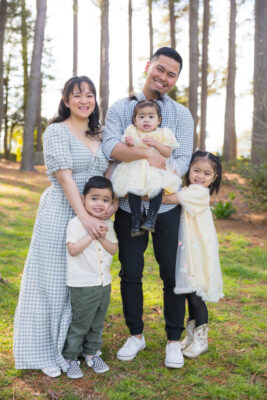
Joy, a military spouse and mother of three young children, is experiencing that reality firsthand. Her husband recently deployed, and like many families, she is navigating the immediate impact of that change.
“The uncertainty can feel overwhelming, especially when you don’t know what comes next,” she said.
At home, that pressure is immediate. Maintaining routines and providing stability now fall to one parent, often with limited communication depending on operational demands. Across military communities, families are taking on expanded responsibilities while working to keep daily life steady.
Financial strain can add another layer. Kristin, another military spouse, described the challenge of planning around unclear pay.
“There’s just been uncertainty… whether we would get paid or not,” she said. “And we’re going through a PCS move right now.”
Pay transitions and reimbursements are not always immediate, and even short delays can create pressure, particularly for families without financial flexibility. Together, these challenges shape daily life from the moment deployment begins.
April is the Month of the Military Child (MOMC)
This deployment period coincides with the MOMC, which recognizes more than 1.6 million children in military families across the United States.2
Many of these children experience frequent relocations, school transitions, and repeated separations during a parent’s military deployment. On average, military children move six to nine times during their school years, far more than their civilian peers.3
During times like this, those challenges can intensify. Children must adjust to a parent’s absence while maintaining daily routines.
At ASYMCA, we see both the challenges and the strength. With consistent support and stable environments, military children are able to remain connected and resilient.
How ASYMCA Provides Military Family Support
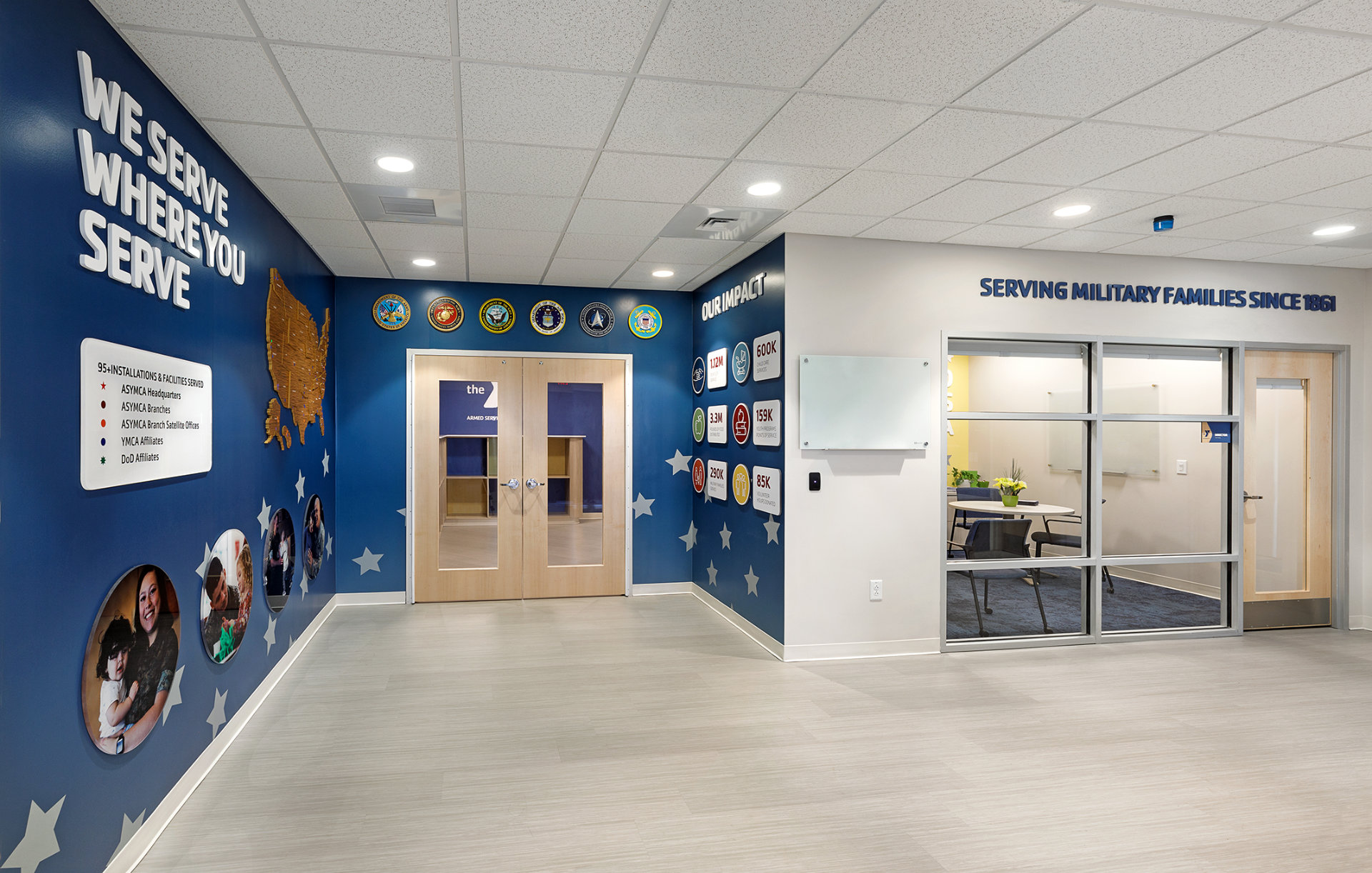
For more than 165 years, ASYMCA has been committed to strengthening military family support. Our mission is rooted in one belief: when service members step forward, their families should be supported every step of the way.
That support takes shape through programs designed to meet real, immediate needs:
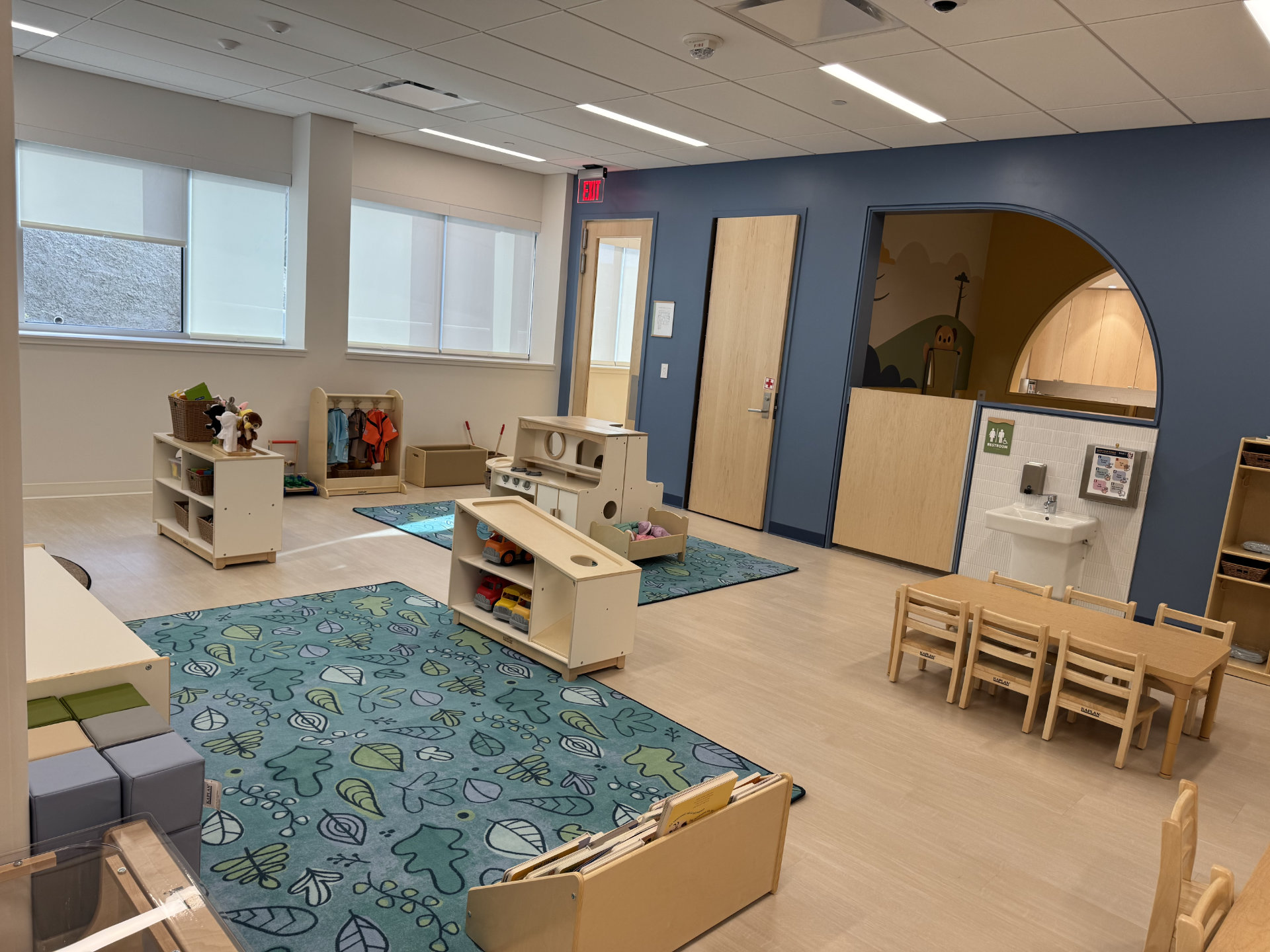
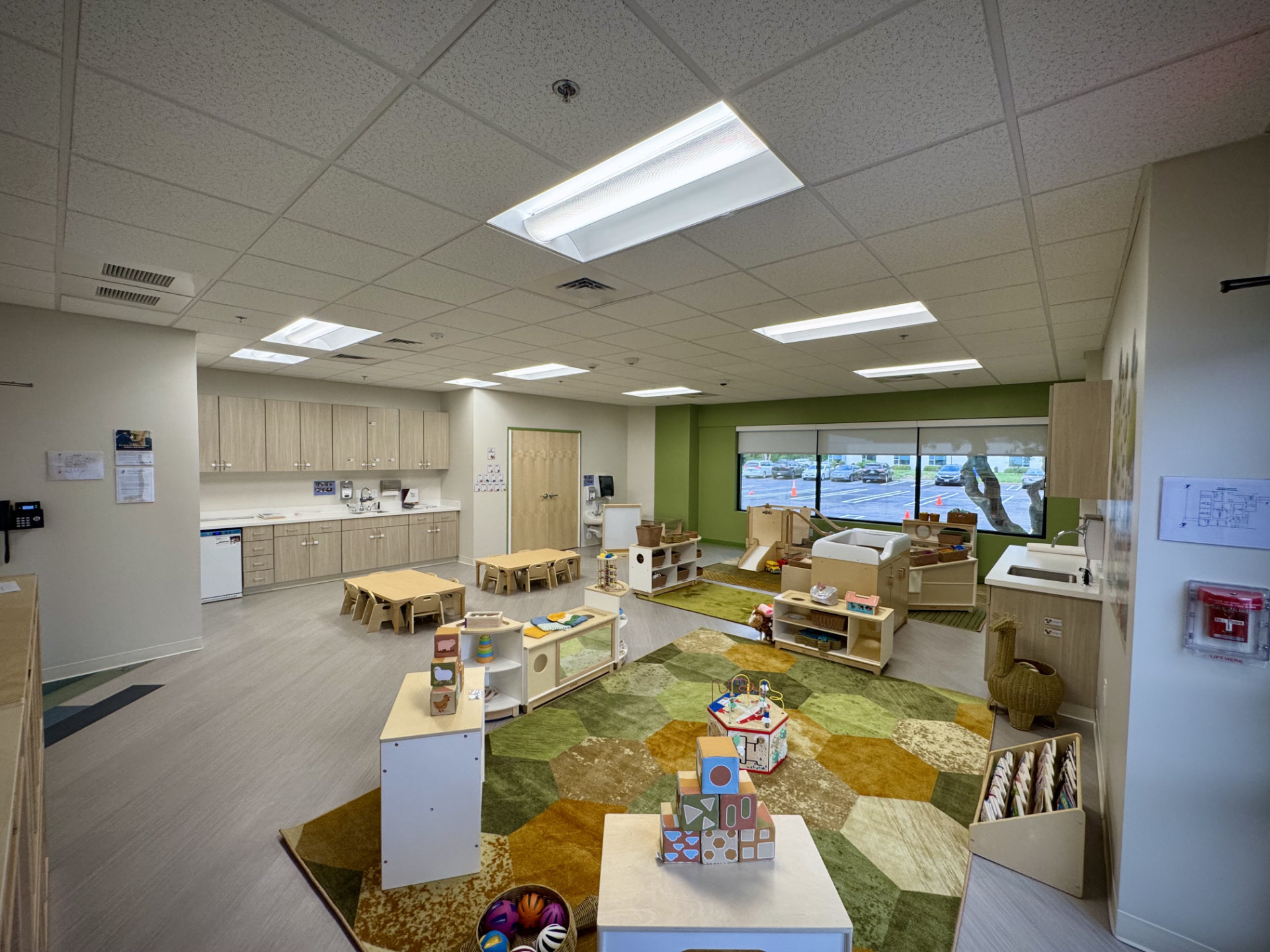
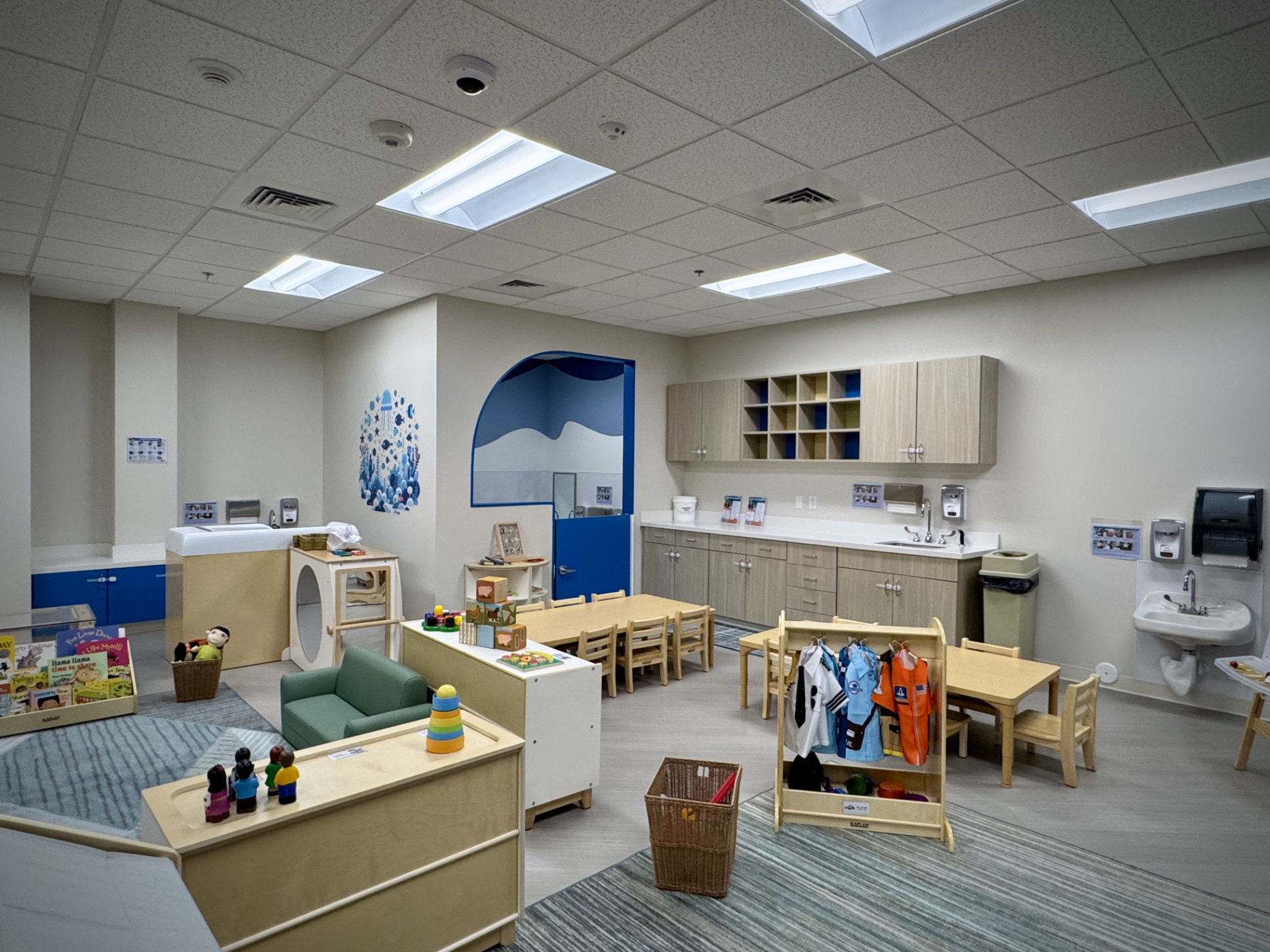
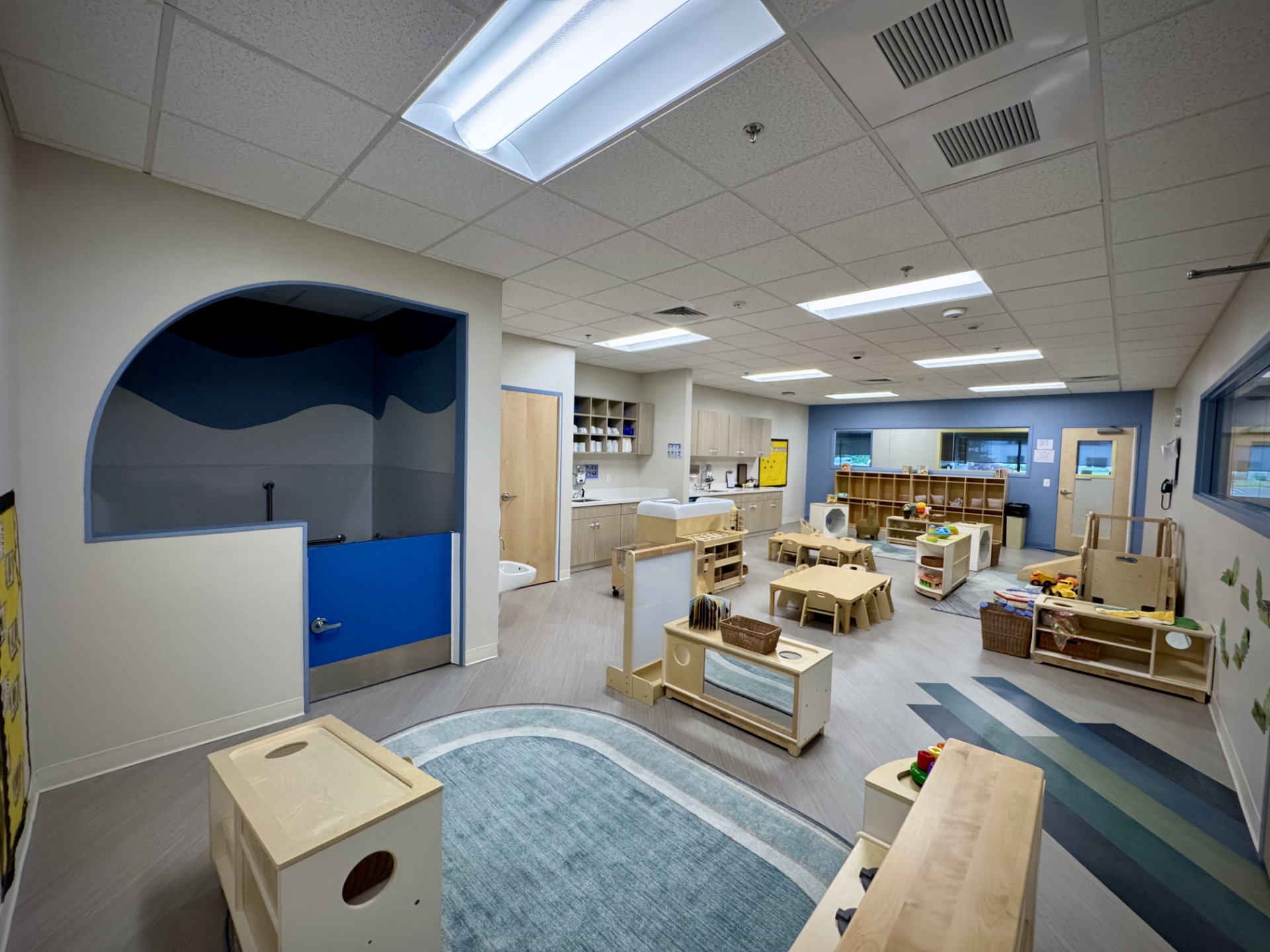
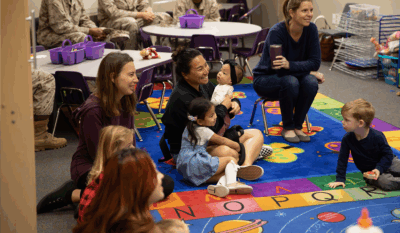 Early Learning Programs – Helping children learn, grow, and build the values, skills, and confidence that shape their future, even during periods of separation
- Children’s Waiting Room – Providing on-site child care at military medical facilities so parents can attend appointments without the added stress of finding care
- Operation Kid Comfort – Creating custom quilts from a parent’s military uniform, giving children a tangible sense of connection while their parent is deployed.
- Operation Hero – Providing after-school programs that build resilience, confidence, and coping skills for military children navigating the challenges of deployment
- Food Assistance and Emergency Relief – Supporting families who need immediate help as they adjust to new circumstances
At this time, we are seeing increased demand for child care, food support, and community-based programs. These needs often arise within days of a military deployment, especially when timelines shift quickly.
How You Can Support for Military Families
During a military deployment, each of us can be part of the military community that families rely on.
Here are a few meaningful ways to help:
- Be the extra set of hands – Offer practical help like picking up groceries, driving a child to practice, or watching a toddler.
- Send something that says “we’re thinking of you” – A note, meal, or quick message can go further than you think.
- Create a moment of normal for a military child – Include them in activities or offer encouragement during MOMC.
- Support the support system – Organizations like ASYMCA provide critical programs and connection.
These are the moments when community takes shape in real ways. And for many families, they are what make it possible to keep moving forward.
“My husband was deployed twice and missed so many important moments at home. The Armed Services YMCA gave me a sense of community during that time. It provided connection, support, and resources that helped us stay grounded while he was away.” – Emily, Military Spouse
Stand with Military Families Today
The details of this military deployment will continue to evolve, but for military families, the need for support is already here.
ASYMCA has stood alongside military families through generations of service, and that commitment continues today through the support of people willing to step in and help.
If you have been wondering how to make a difference, this is the time.
Through April 30, every dollar you give will be TRIPLED thanks to Lockheed Martin — up to $150,000.
Your generosity provides stability when it is needed most. It helps ensure that a child has a safe place to go, that a family can get through a difficult week, and that a military spouse does not have to navigate this alone.
Sources
2 U.S. Department of War: Month of the Military Child
3 Military Child Education Coalition: National Advocate for Purple Star Schools