5 Tools for Military Kids Starting at New Schools
Written by Julianna Burson
A new school is simply another chapter in the journey of military life for many military families. Every Permanent Change of Station (PCS) move brings new opportunities, often in a new state or even another country.
But it also comes with uncertainty — especially for a military child headed into unfamiliar classrooms, meeting new teachers, making new friends, and adjusting to culture shock.
Changing schools is common in military life, yet every transition is different. Some military children need more time to adjust to a new environment than others, especially if there’s a deployment involved.
Thankfully, with the right support, encouragement, and resources, military kids can navigate each new beginning with less stress and more confidence.
5 Tools That Can Help Every Military Kid Feel More Prepared at a New School:
1. School Tours and Orientation Programs
The first day of school feels less intimidating when children know what to expect. Many schools offer orientation events, school tours, or open houses before the school year begins. Exploring the building, finding classrooms, meeting teachers, and learning the common areas ahead of time can help reduce anxiety and make the transition easier.
If an in-person visit isn’t possible, a virtual tour can be another way to support military kids through a PCS move to a new school. Connecting with a school counselor can also be beneficial in helping kids adjust.
2. Student Ambassador Programs
Many schools have student ambassador programs or peer mentoring that can pair new students with friendly classmates who can answer questions, help them learn school routines, and introduce them to other students.
For military children, these programs provide an immediate connection. Even if a school doesn’t have a formal ambassador program, parents can ask counselors or teachers to connect their child to a welcoming student.
Making friends after a PCS move is one of the biggest milestones for both military parents and children!
3. Activity Clubs and Sports
 Extracurricular activities help children discover common interests outside the classroom. Whether it’s joining a soccer team, robotics club, choir, student council, or an art program, these shared experiences help military kids feel like part of their new community.
Activities also provide consistency during times of change. After a PCS move, having something familiar to look forward to each week can help children establish a new routine.
4. Military Child Resources
Military families move frequently, and many schools have counselors and staff who understand — or are at least empathetic to — the unique experiences of military children. Communities near bases or installations often have numerous military family resources to assist military children during times of transition, including:
- Military & Family Life Counseling – Some schools have a dedicated Military & Family Life Counselor (MFLC) for military children. MFLCs offer free, confidential counseling to service members and their immediate family.
- Military School Liaison – These specialized liaisons assist military families with transition support, education requirements, transfer credits, community resources, and more.
The Armed Services YMCA also offers military family resources throughout every season of military life. Here are two just for the kids:
- Operation Hero – This free after-school resiliency program for military kids supports those who may be struggling to adjust after a PCS move, deployment, or other military transition.
- Operation Camp – A low- or no-cost summer camp for military children to build friendships, gain confidence, and enjoy experiences that support their overall well-being. This is a great opportunity to connect with other military children after a PCS move, as most occur in the summer.
Military family support can be found through the Armed Services YMCA and the local community.
5. Family Support and Communication
The most valuable tool each family already has is each other.
Open conversations allow children to express excitement, nervousness, or sadness about changing schools. Listening without rushing to solve every concern reminds children that their feelings are heard and understood.
Maintaining familiar routines — family dinners, bedtime stories, or weekend traditions — also provides comfort during periods of transition, providing military children with a sense of security.
Helping Kids Build Confidence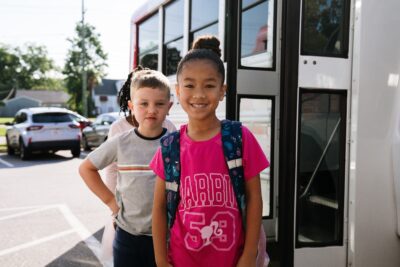
Through each PCS move and fresh beginning, military children develop remarkable resilience. Parents can help reinforce that resilience by encouraging children to try new experiences and reminding them of the challenges they’ve overcome.
Each new school year is a new beginning, helping build confidence for future moves and challenges.
The Armed Services YMCA: Your Military Family Resource
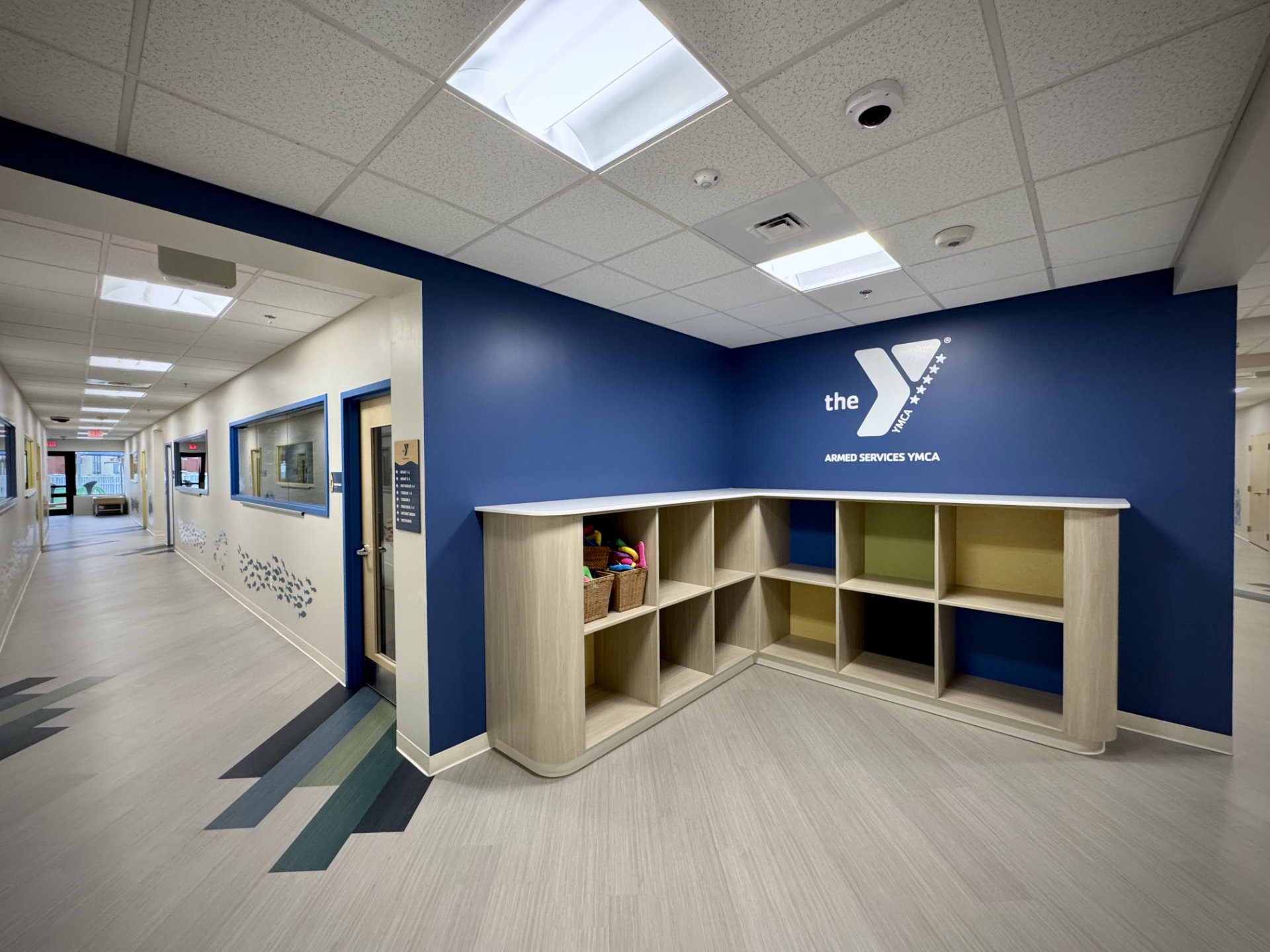
The Armed Services YMCA provides military family support through family events, youth programs, educational resources, and more. Whether preparing for the first PCS move or the sixth, military families find encouragement and practical support every step of the way.
Armed Services YMCA Family Resources:
- Food Assistance – More than 25% of active-duty military families depend on food assistance to make ends meet, and that need often increases after an expensive move.
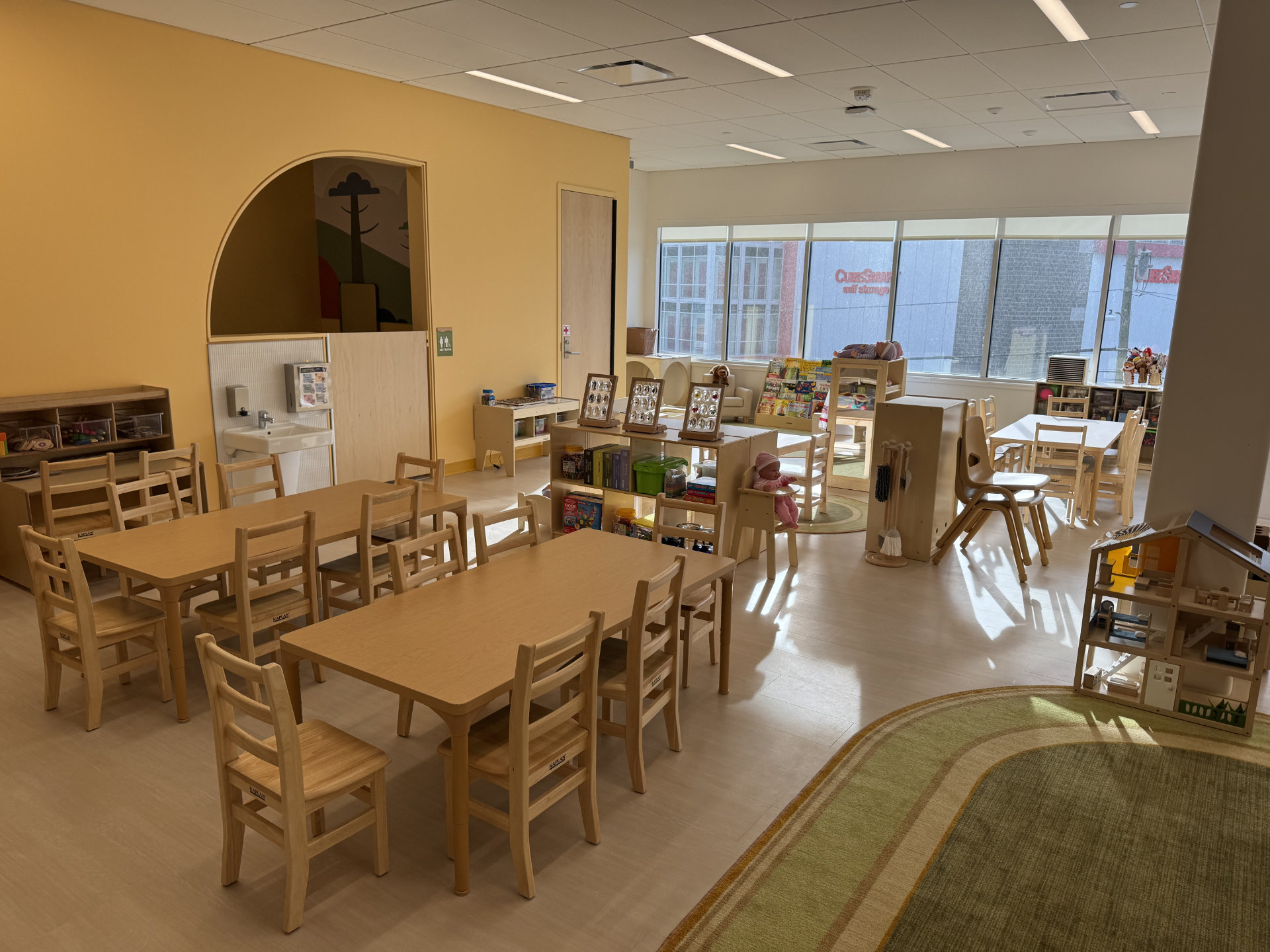
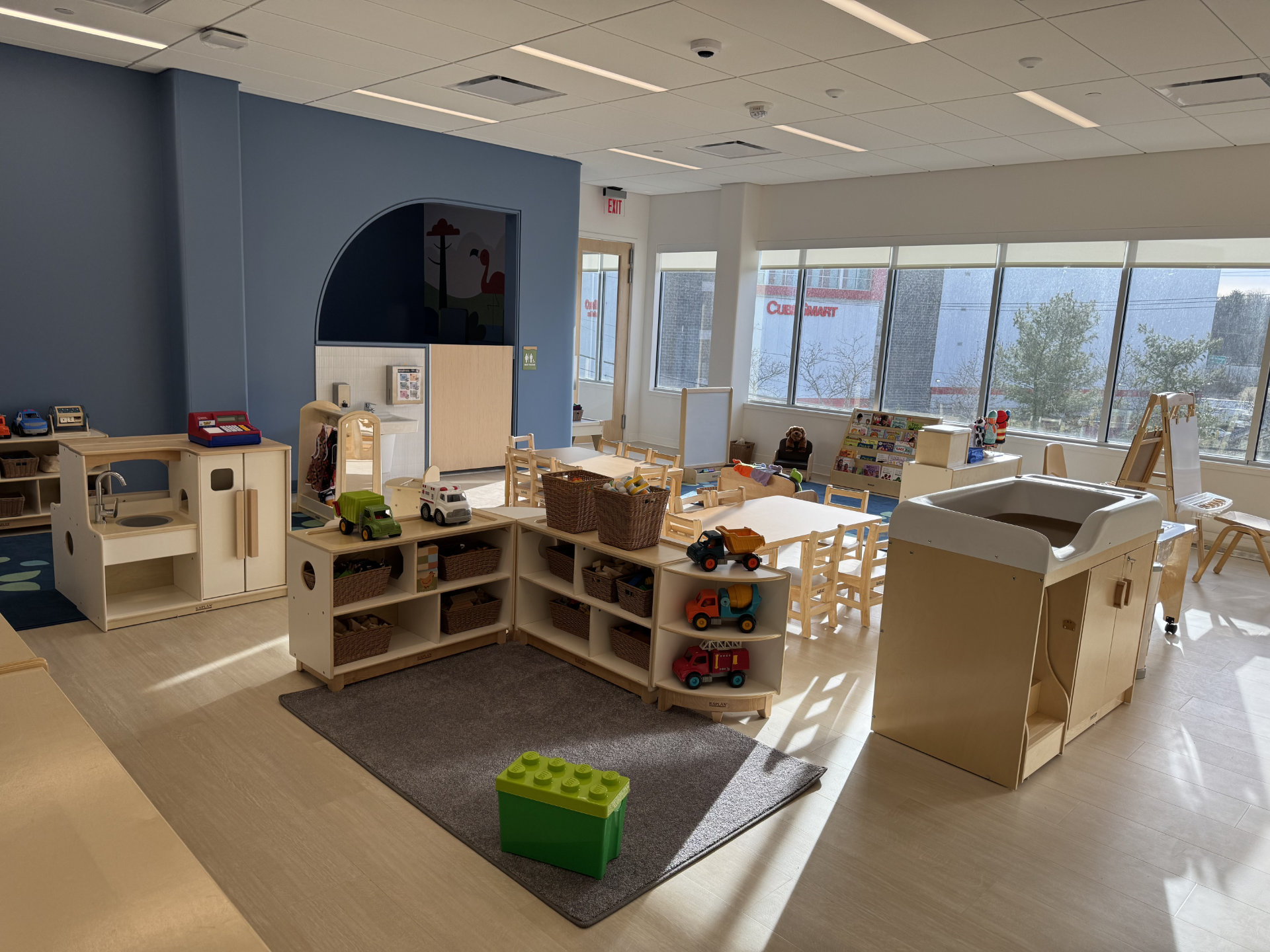
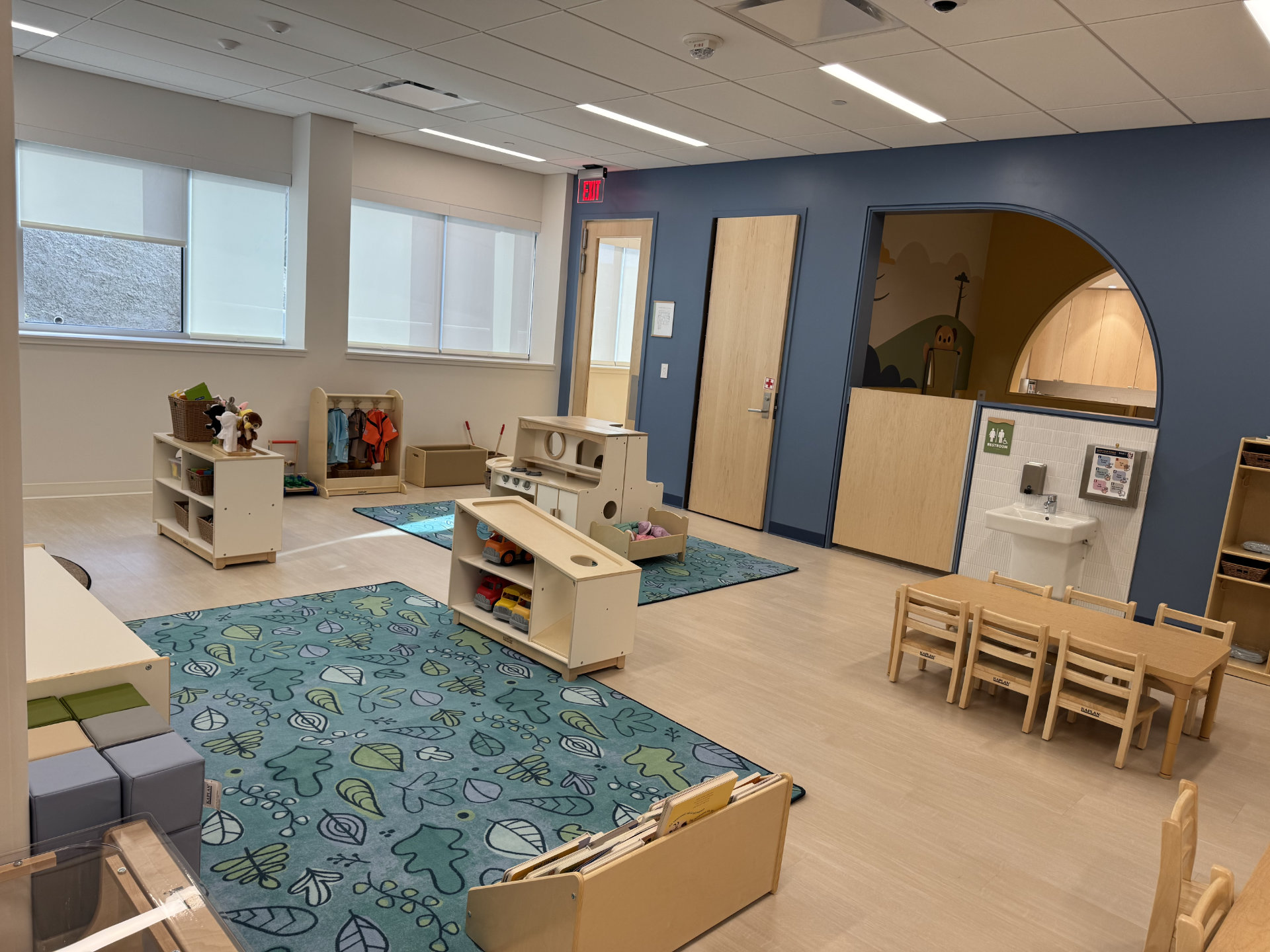
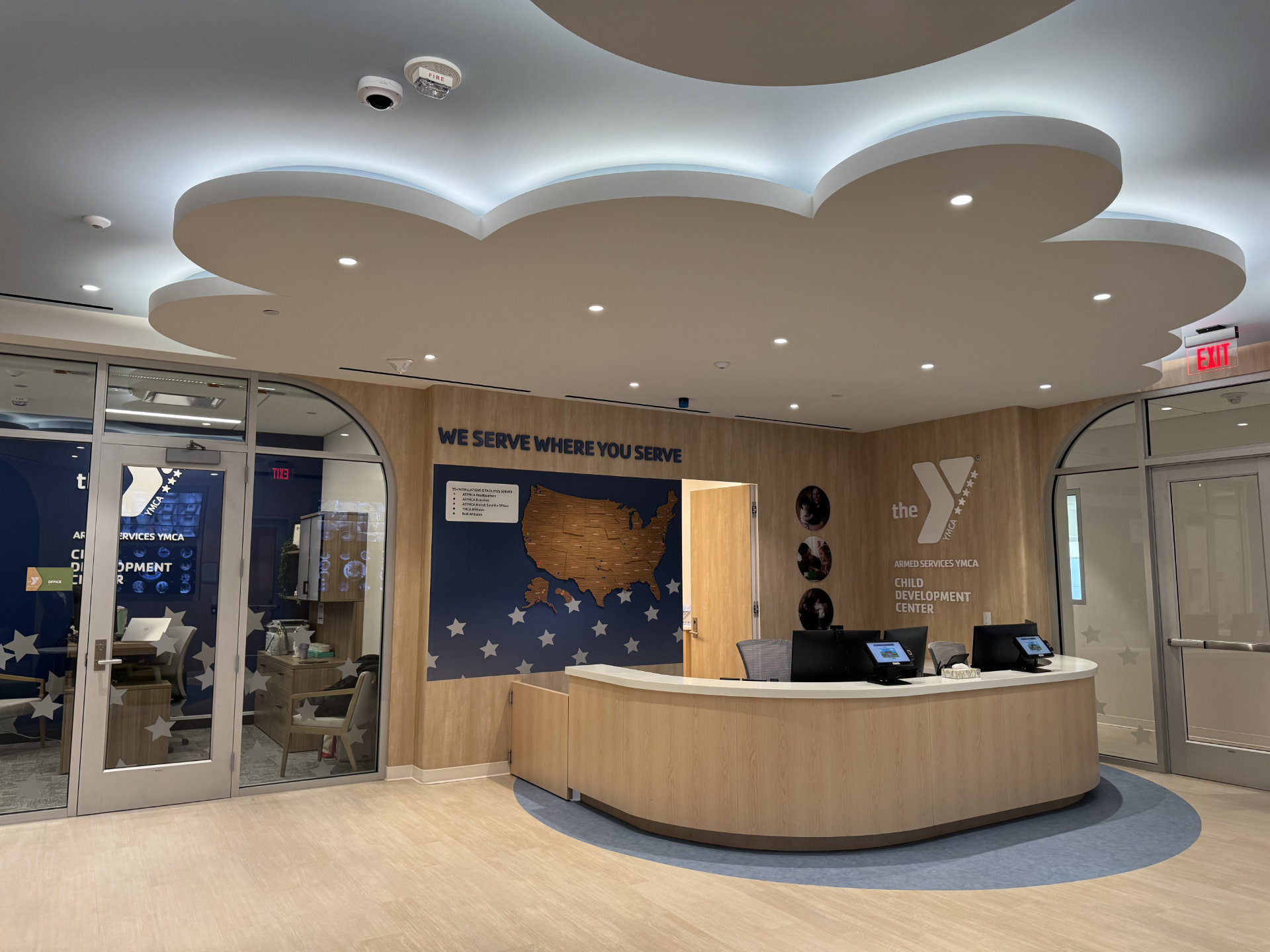
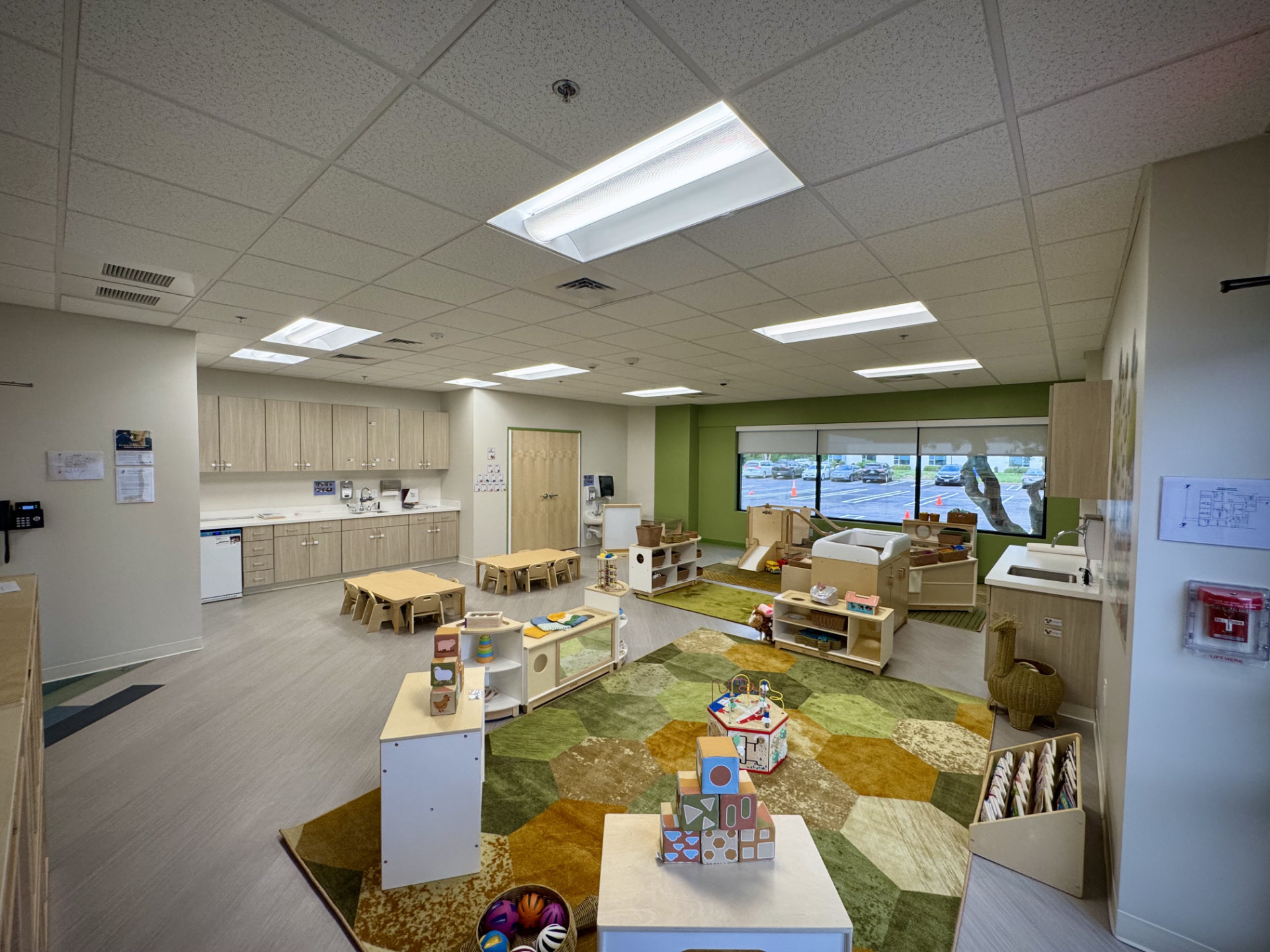
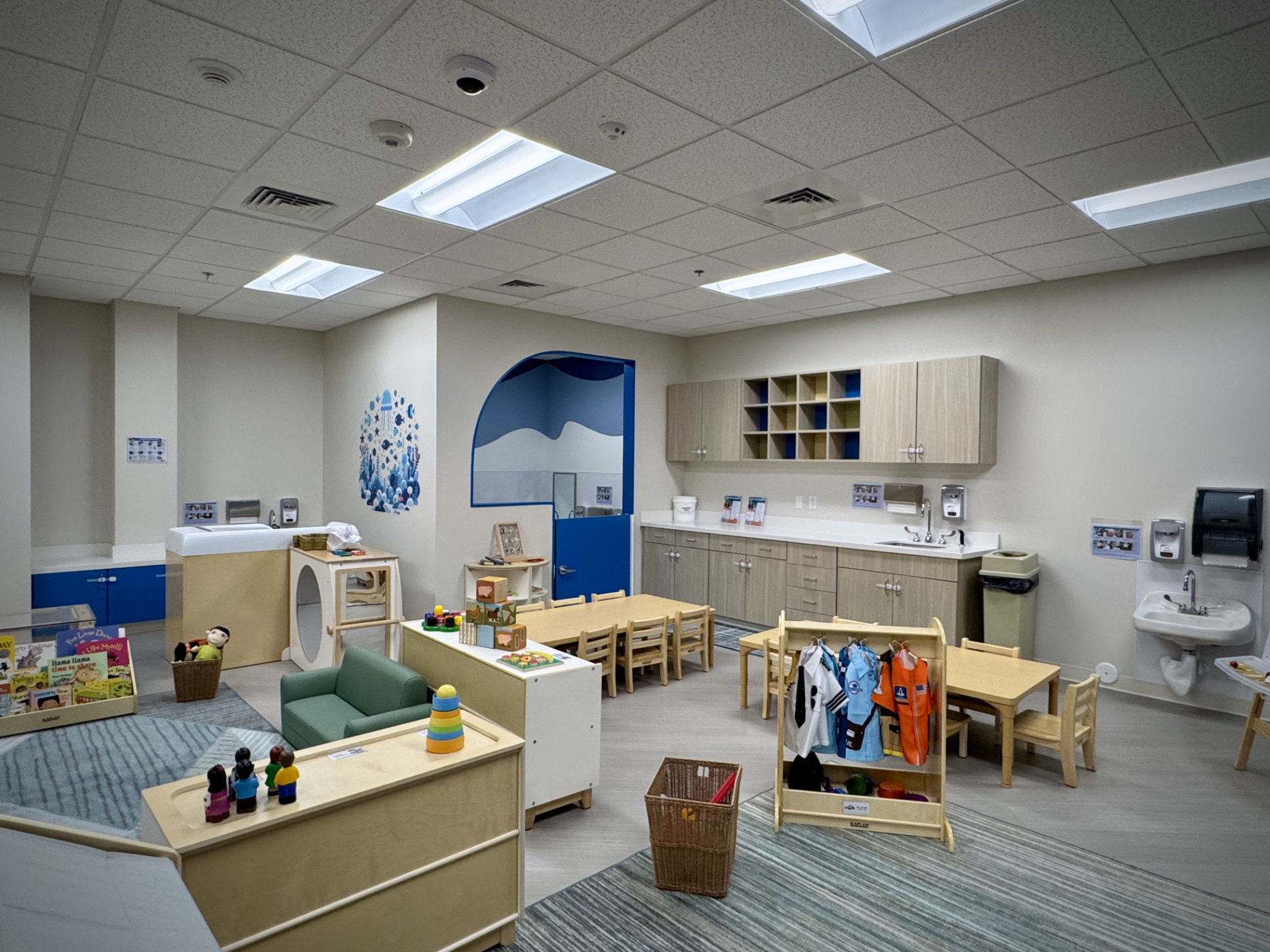
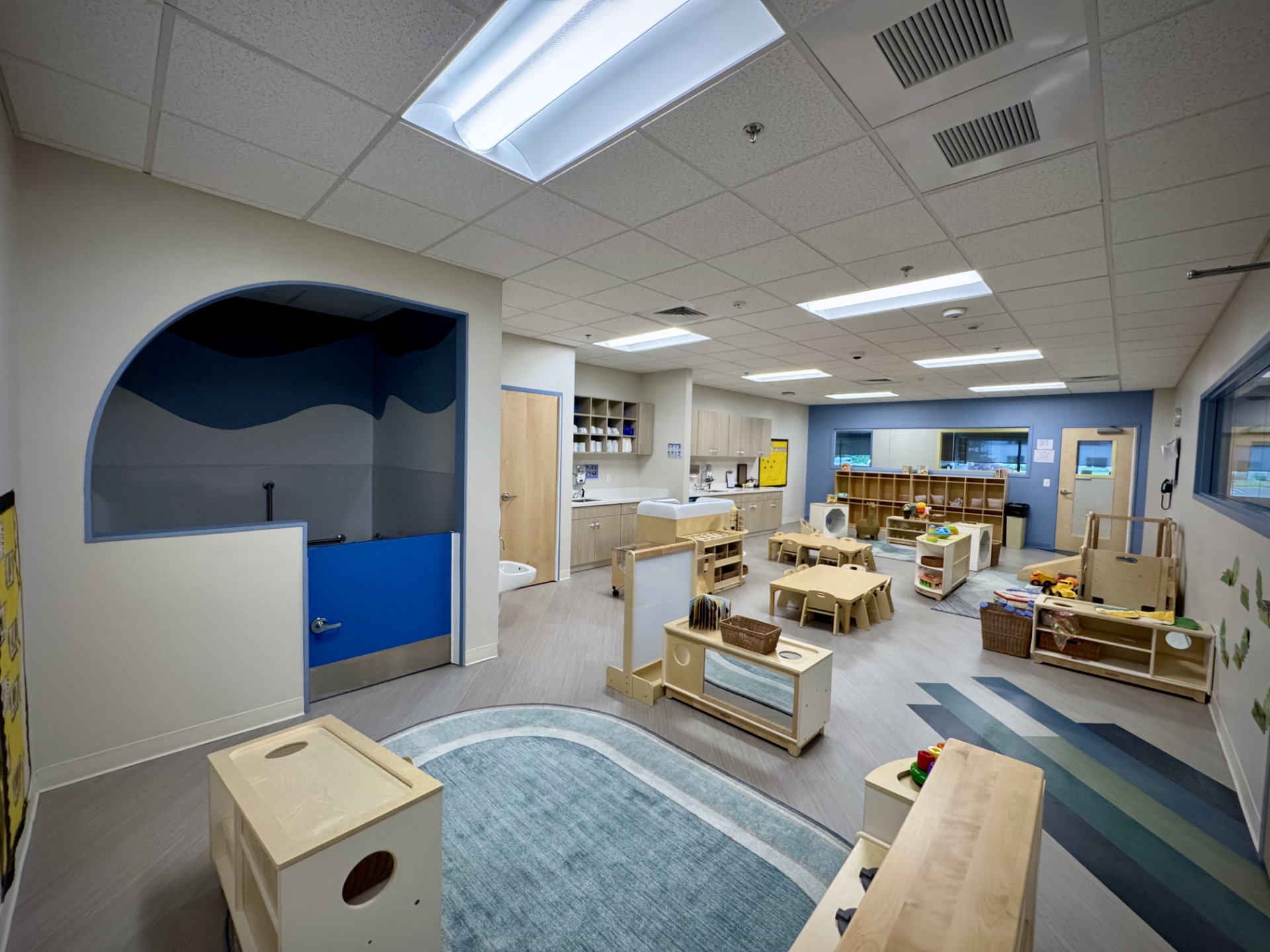
- Childcare and Early Education – Quality, affordable childcare at Armed Services YMCA locations across the nation offers stability, especially critical when moving to a new location.
- School-Age Support – Summer camps and after-school resiliency programs connect military kids through adventure, friendship, problem-solving, and leadership opportunities.
Encouragement for Military Kids
Starting a new school can feel overwhelming, but every military child brings unique strengths shaped by courage and resiliency. While a PCS move may bring new faces and unfamiliar schoolhouses, it opens the door to opportunities for growth and new friendships.
If you are a military kid or if you have a military child, remember that every move is a chance to grow.
Support Military Children this New School Year and Beyond
Your support directly benefits military children and families. Whether they’re changing schools, preparing for a move, or navigating a loved one’s deployment, the Armed Services YMCA is here.
Help military children today. Your support ensures military kids have the resources they need for every transition.
, Blog Author Listing Julianna BursonResults
Julianna is a Home & Hospital Teacher with a background in biomedical research and education. A Navy spouse of seven years and mom of two, she volunteers with the Navy-Marine Corps Relief Society and is passionate about supporting military families through writing.