Advocating for Military Families In Your Community
Written by Kalyn Love
When people hear the word advocacy, they often picture lawmakers, nonprofit leaders, or large public campaigns. While those efforts certainly matter, military family advocacy often begins in much quieter ways — with a warm welcome, a helping hand, or someone who simply understands what military life is really like.
As military families navigate frequent moves, deployments, and constant change, the people around them play an important role in helping them feel connected. Every act of kindness, every shared resource, and every effort to build community strengthens the support system that military families depend on.
The truth is, you don’t have to hold a title to make a difference. Everyday advocacy has the power to change someone’s experience of military life.
Advocacy Starts Closer Than You Think
Advocacy isn’t limited to writing letters or speaking at public events. It can be as simple as introducing yourself to a new neighbor, inviting a military spouse to coffee, or checking in with a family during a deployment.
These small moments communicate something powerful: You belong here.
For military families who are constantly rebuilding their lives in new communities, those gestures can make all the difference. They remind us that we’re not navigating the challenges of military life alone.
Whether you’re a fellow military spouse, a friend, a volunteer, or a community member, your everyday actions help create a stronger, more welcoming military community.
What Military Families Need Most
Military life is filled with unique rewards, but it also comes with challenges that many people never experience. Frequent relocations mean starting over every few years — finding new schools, doctors, childcare, jobs, and friendships. Deployments and trainings can leave one parent managing an entire household alone while missing their loved one.
Military spouses often find themselves rebuilding professional networks, creating new routines, and searching for support systems with every move. Military children adapt to new classrooms, neighborhoods, and friendships time and time again.
Understanding these realities is the first step toward meaningful military family advocacy. When people recognize the unique demands of military life, they’re better equipped to offer practical support, meaningful encouragement, and genuine understanding.
Advocacy begins with empathy — and empathy creates connection.
Small Ways to Make a Big Impact
Supporting military families doesn’t require grand gestures. Often, the smallest acts leave the biggest impression.
Here are a few meaningful ways to get involved:
 Welcome a newly arrived military family with a friendly introduction or invitation to a local event.
- Share helpful resources with a new military spouse who may be unfamiliar with the area.
- Volunteer with organizations that provide military support to service members and their families.
- Attend community events that bring military families together and help build lasting relationships.
- Support military children by encouraging them in school, sport, or community activities.
- Check in on caregivers or families during deployments, trainings, or other demanding seasons.
- Help raise awareness about the unique needs of military families within your local community.
These simple actions may seem small, but they remind families that they are seen, supported, and valued.
Why Community Matters
One of the moments that has stayed with me the most happened shortly after one of our moves. Like many military spouses, I arrived in a new place knowing very few people. Everything felt unfamiliar, and I was trying to figure out where I fit.
Then someone reached out.
She introduced herself, invited me to connect with other spouses, answered questions I didn’t even know I had, and made me feel welcome before I had the chance to feel isolated.
Looking back, I realize she probably viewed those actions as ordinary kindness. But to me, they were extraordinary.
That simple act of reaching out changed how I experienced our new duty station. It reminded me that community isn’t something you simply find — it’s something you intentionally create.
Since then, I’ve tried to carry that lesson with me. Every time we move, I’m reminded how powerful it can be to welcome someone new, share what I’ve learned, or simply let another military spouse know they’re not alone.
That’s what advocacy looks like in everyday life.
Supporting Military Families Together
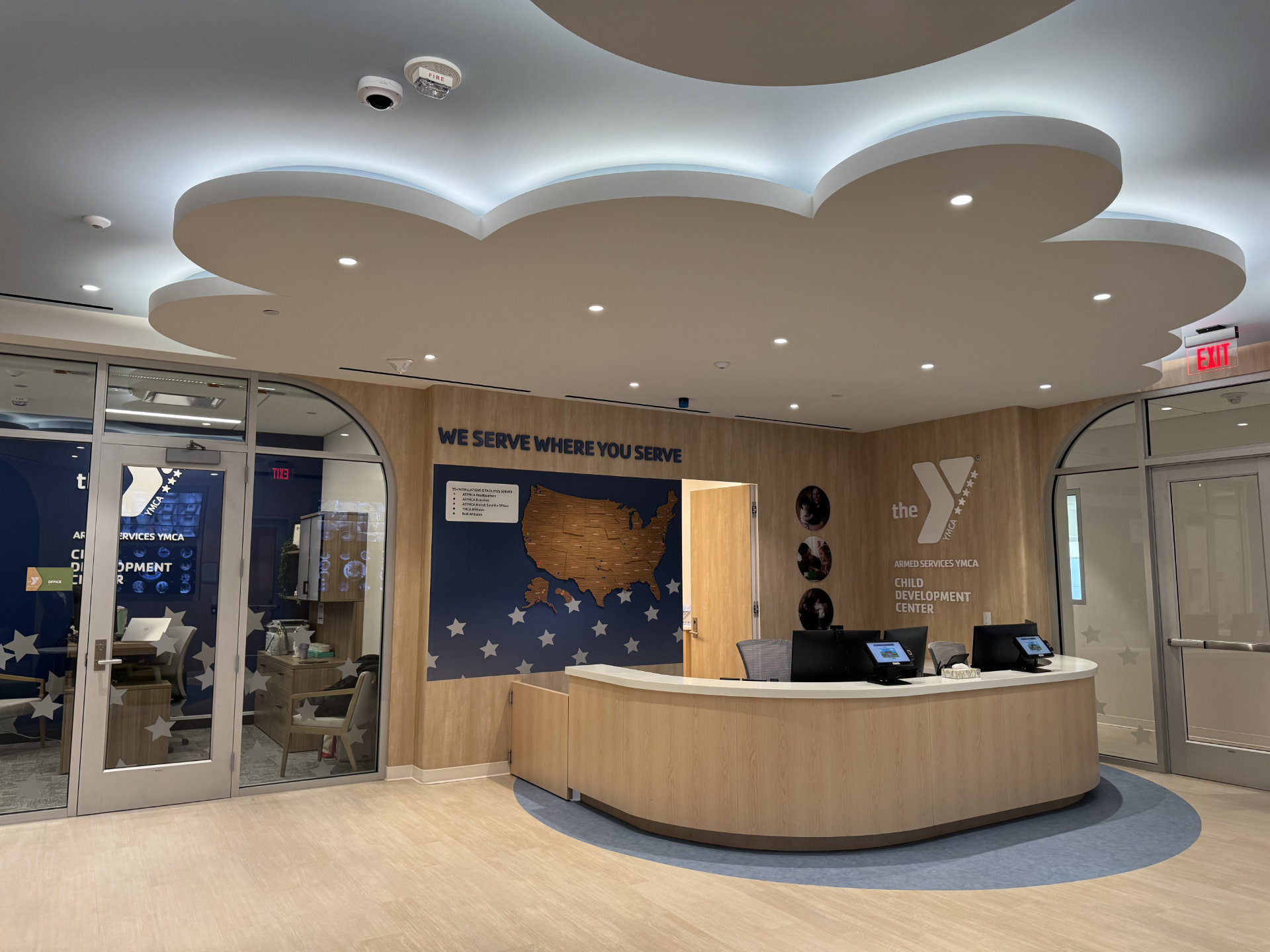
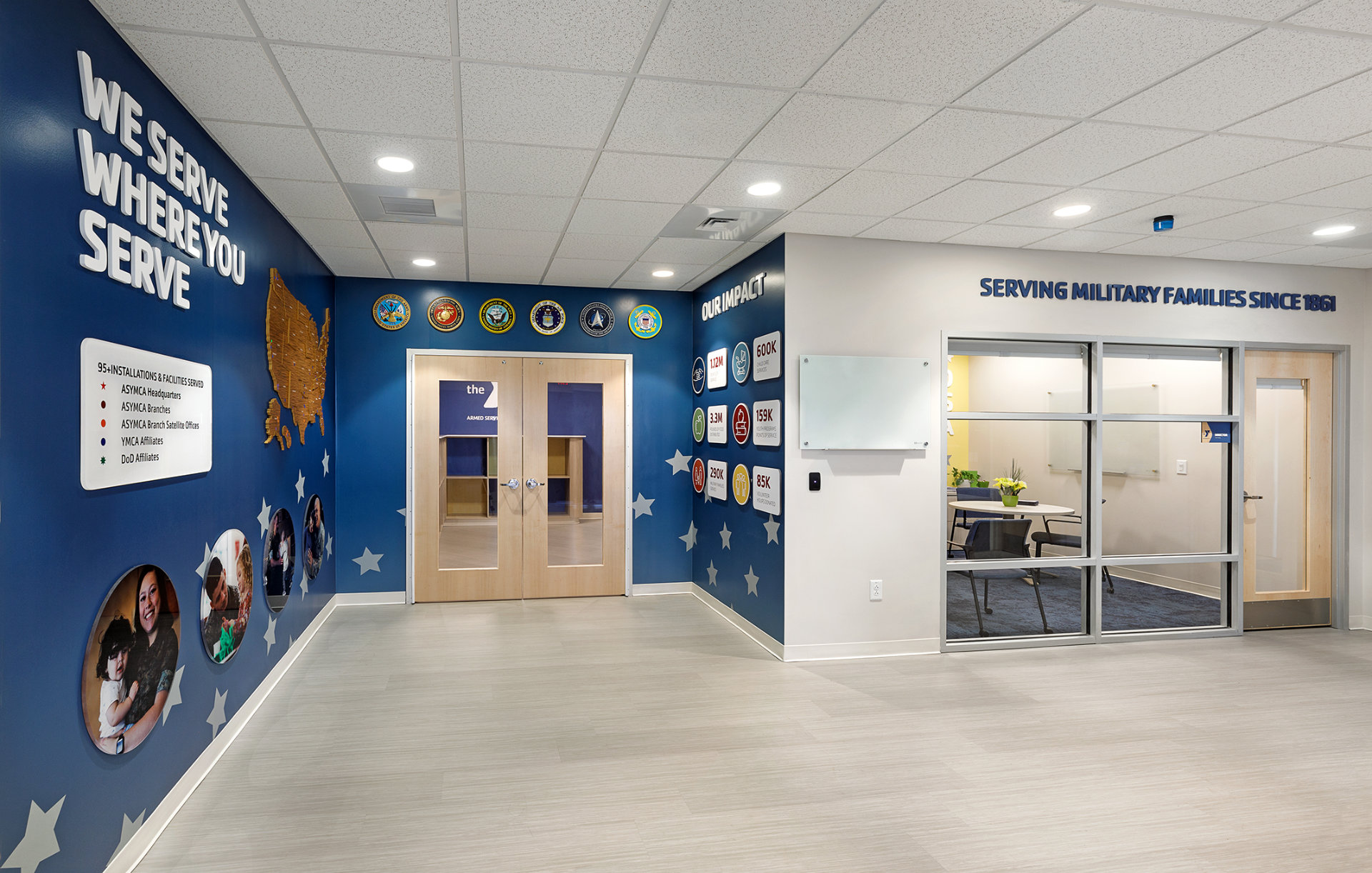
Organizations like the Armed Services YMCA strengthen military communities by providing programs, resources, and opportunities that help families connect and thrive. From youth activities and family programming to community events and volunteer opportunities, these efforts create spaces where military families can build relationships and find support.
But strong communities aren’t built by organizations alone. They’re built by people who choose to show up for one another.
Whether you volunteer your time, attend community events, mentor a new military spouse, or simply offer a warm welcome, your actions contribute to a stronger military community where every family feels supported.
Everyday Advocacy Makes a Difference
Military family advocacy doesn’t have to be complicated to be meaningful.
It begins with noticing the people around us, extending kindness, sharing resources, and creating spaces where military families feel connected. One conversation, one invitation, or one helping hand may seem like a small gesture, but those moments often leave the greatest impact.
When we each choose one simple way to support military families, we help build communities where service members, spouses, children, and caregivers know they are valued — not just for their service, but for who they are.
Together, those everyday acts of advocacy create stronger, more resilient military communities for everyone.
Recently PCS’d to Fort Drum from Fort Campbell, Kalyn is a military spouse and former first-grade teacher with a degree in elementary education. Now a stay-at-home mom, she loves using her writing to encourage and connect with fellow military spouses.