Supporting Military Kids at School Overseas
Written by Poli Dimitrova
Are you moving overseas with military children and wondering how to navigate starting a new school in a new country? It can be overwhelming and daunting, especially when you add it to everything else that comes with moving abroad. There are so many things to figure out at once: finding a home, getting settled, learning your way around, navigating a new language and culture — and then there are the questions of where your children will go to school and how they will adjust.
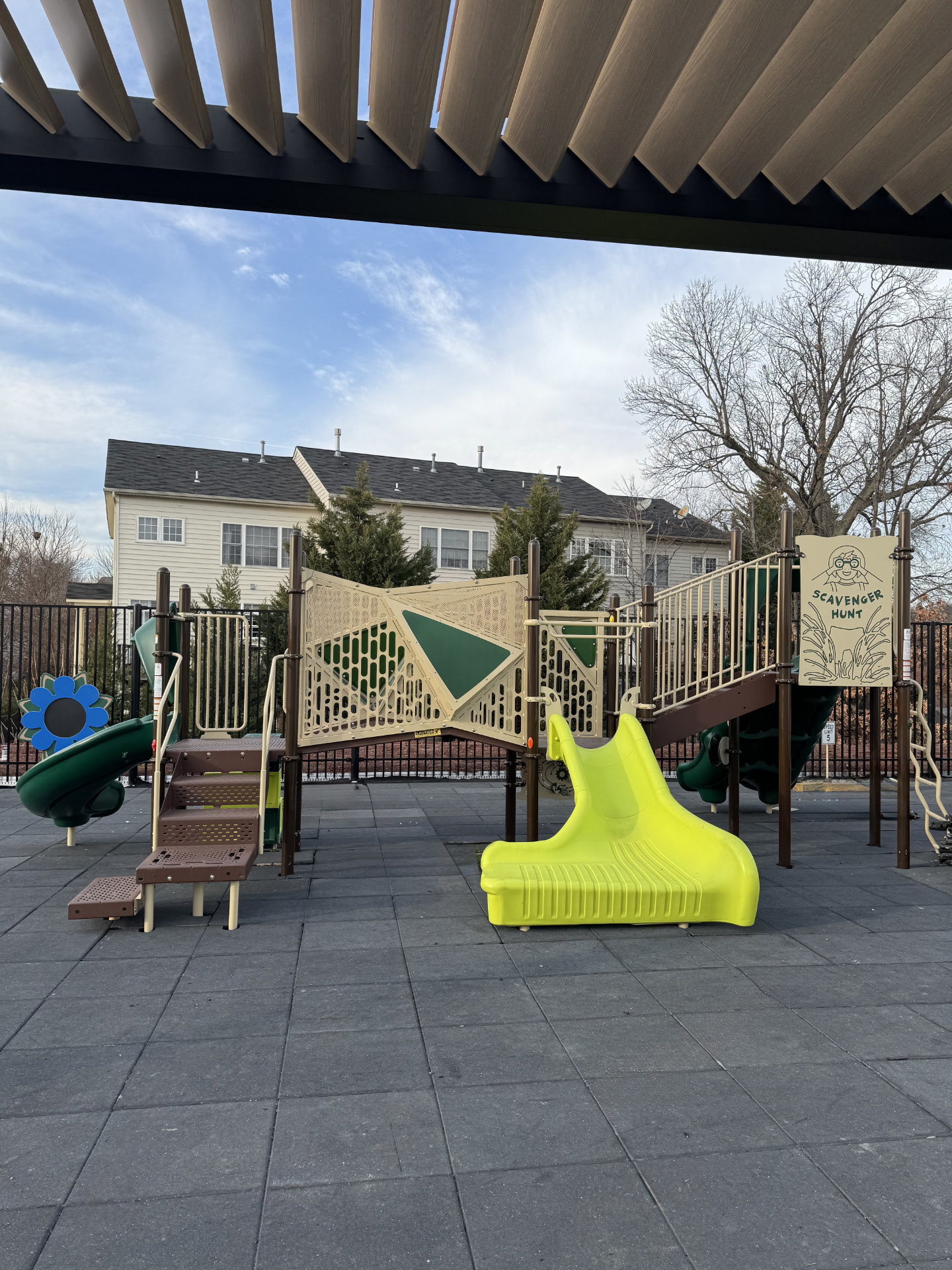
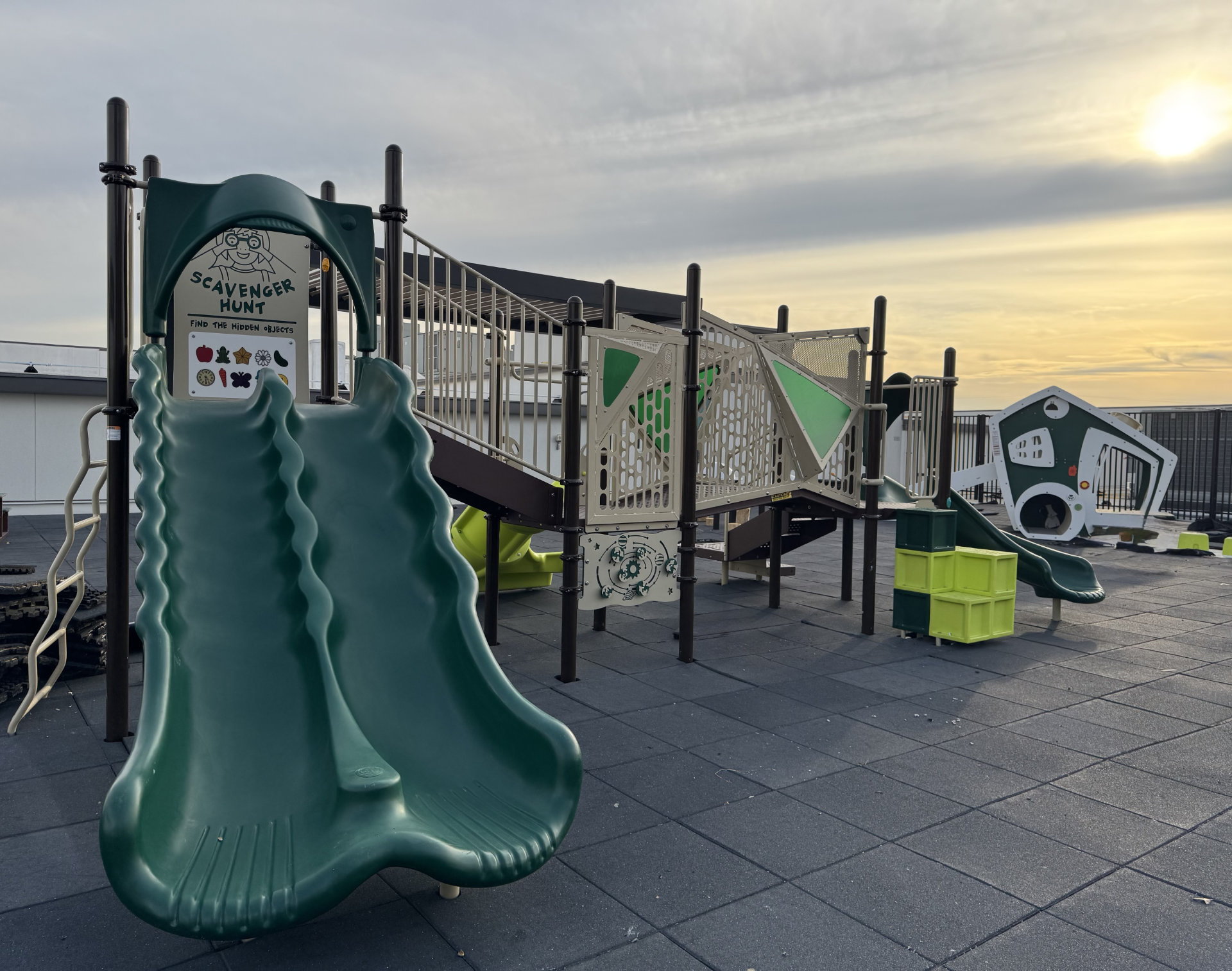
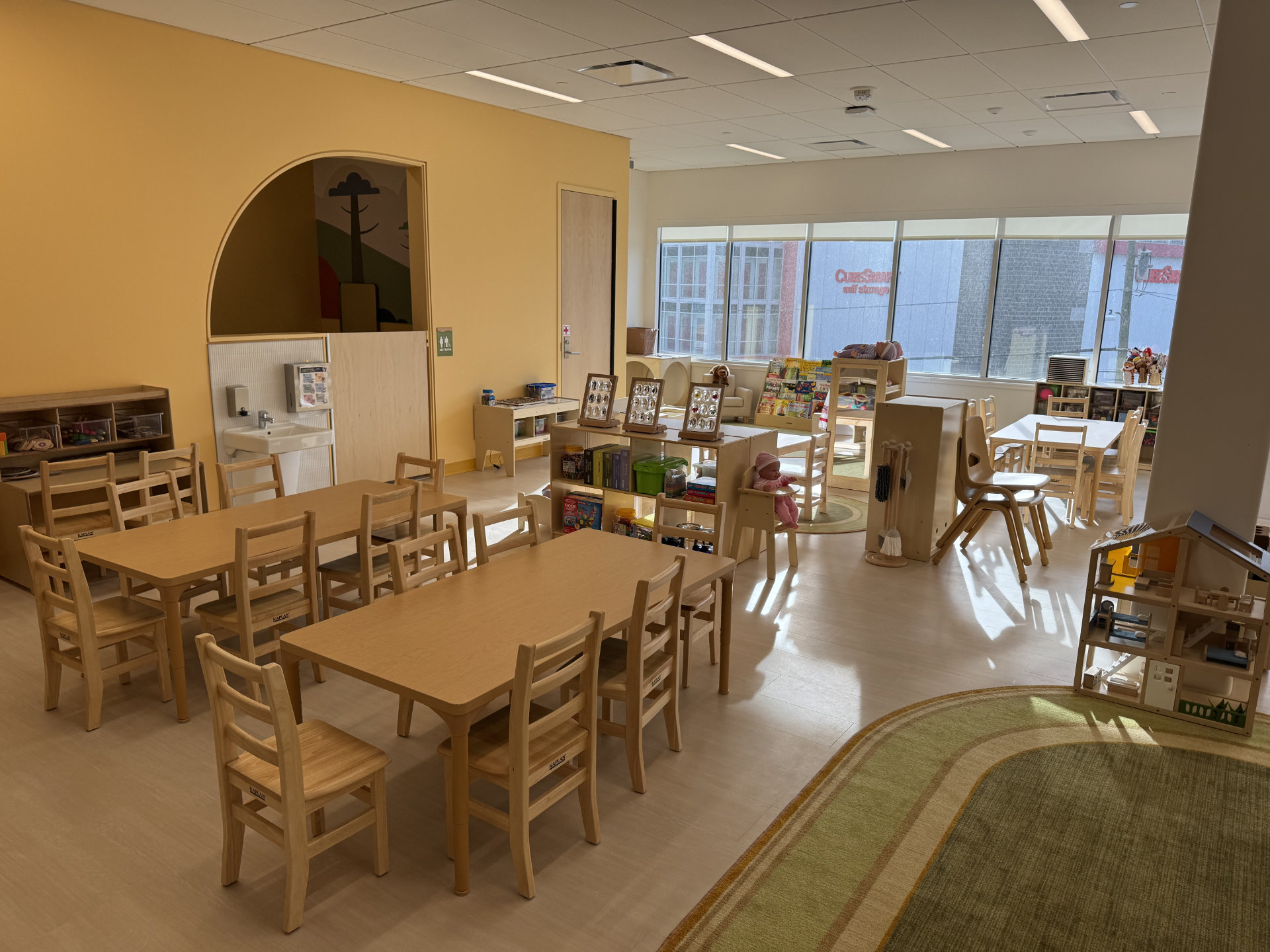
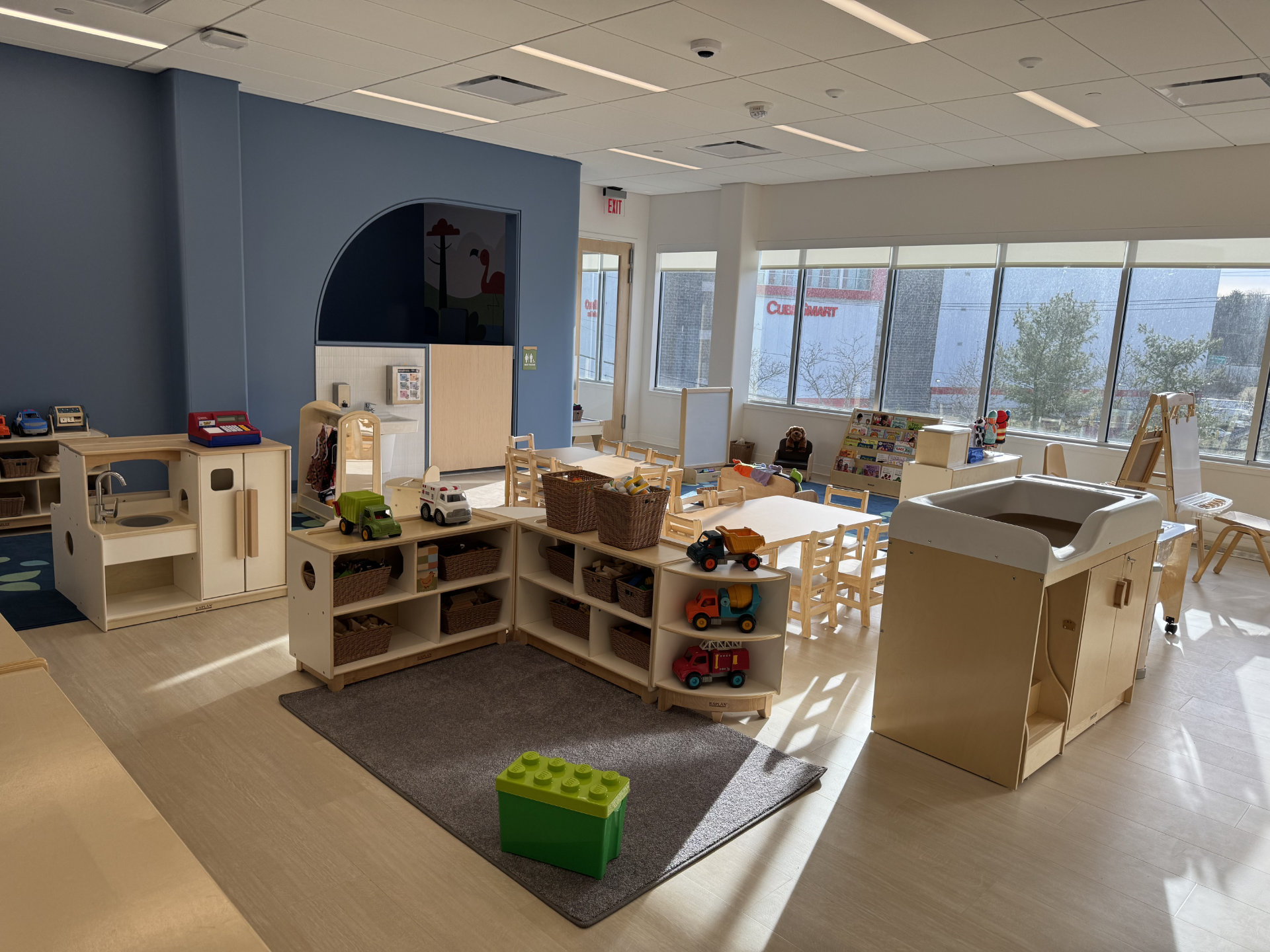
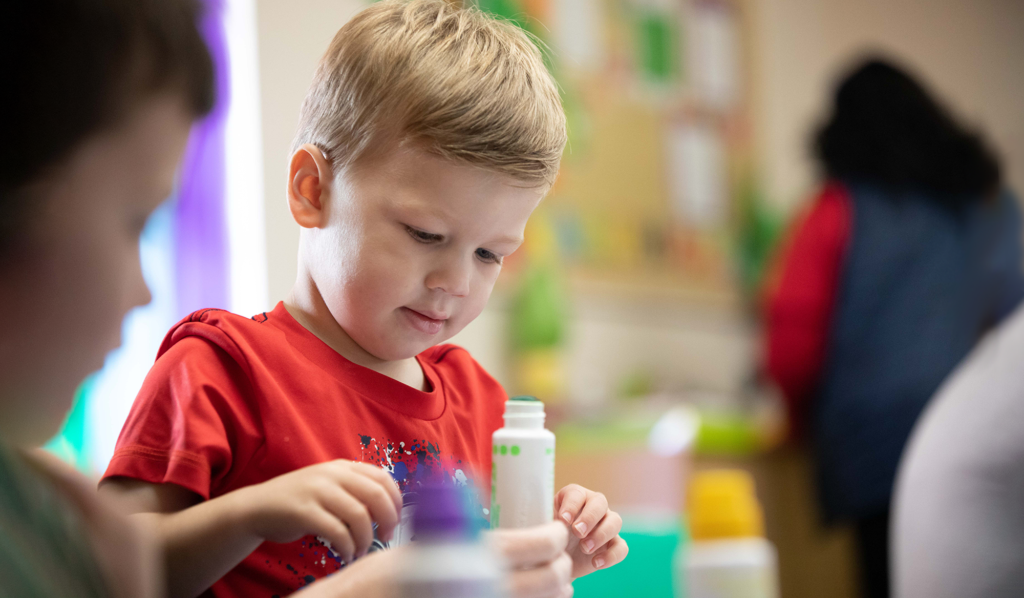
We are currently stationed in Italy, and our 3.5-year-old son attends an international school out in town, where he is enrolled in a bilingual Italian-English class. Since he was already bilingual (English and Bulgarian) when we arrived, we saw this as a wonderful opportunity to introduce a third language while giving him the chance to dive even deeper into the Italian culture.
It has been quite a process to help our son feel comfortable and confident in his new school, but now he absolutely loves it. He asks to go to school and wants to see all of his friends — both from the military community and Italy — even while he is on summer break.
Along the way, we have discovered practical tips that make the transition a little smoother. If your family is embarking on a similar adventure, this blog is for you.
Helping Military Kids Feel Confident
Starting a new school overseas can be overwhelming for military kids, especially after a Permanent Change of Station (PCS) move. That’s why finding ways to help children feel confident is so important. But confidence does not always come immediately, and creating that sense of reassurance is not necessarily easy. As a parent, you may be feeling confused and overwhelmed yourself — trying to understand your options, navigate a language barrier, or figure out a completely new school structure and routine.
Discover the Adventure
At this first stage, I have found that keeping an open mind can make a real difference. Try to focus on the positive aspects of starting a new school and avoid passing your own worries on to your child. If your child expresses concerns, acknowledge how they feel, but then help them look at the experience from a different perspective. Talk about it as a new adventure, an opportunity to explore somewhere unfamiliar, make new friends, and discover things they may not have experienced before.
Routines that Ground
While the outside world is changing, I like keeping things at home as much the same as possible, with familiar routines and family traditions, even when we are in a completely new place. The smallest things, such as keeping the same bedtime ritual and continuing family activities we all enjoy, have given my son a sense of stability when he needed it most. For military kids, there can be a lot of change happening at once, so having something familiar to come home to can be incredibly reassuring. It reminds them that although their school, surroundings, and daily life may look different, some things remain the same.
Finding Belonging in a New Community
You might wonder, “How are we ever going to make friends here?” With a language barrier, an unfamiliar culture, and everything still feeling new, finding a sense of belonging can seem like an impossible task — especially when you have just arrived. But it doesn’t have to happen all at once. Building connections takes time, and sometimes the smallest interactions can be the beginning of a friendship.
The first step may actually be getting out of your own comfort zone. Children learn so much from what they see us do, not just from what we tell them. If you want your child to be open to meeting new people, try to demonstrate that openness yourself. Say hello to another parent at school, start a conversation, join a local activity, or look for other families with children around the same age.
For example, whenever we go to my son’s school or even around town, I try to speak Italian. And yes, my Italian is still very limited! I make mistakes — sometimes I have to search for the right words, and I am definitely not having long conversations yet — but I want my son to see me trying. I want him to understand that you do not have to be perfect to make an effort or to be part of a new community.
So I encourage you: the next time you are at school, take that extra step. Say hello to another parent, start a conversation, or join a local activity. The more our children see us stepping outside our comfort zones, the more comfortable they can become doing the same. We are showing them that it is okay to be new at something, to make mistakes, and to keep trying — and sometimes that is the best lesson we can give them.
The Unexpected Benefits of an Overseas Education
For us, it was a no-brainer to enroll our son in an international school out in town rather than on base. Since our son was already bilingual when we came to Italy, we knew there could be incredible benefits to adding another language to his everyday life. And yes, it might sound like a lot for a three-year-old, but this is such a great stage for children to learn! They absorb new information so incredibly quickly, often in ways that surprise you.
We were never striving for perfection. When we first signed him up, I remember thinking that I would be happy if, after some time, he simply knew a few words in Italian. A year later, he surprises me almost every day. He is counting, singing songs, and correctly answering questions when strangers speak to him out in town — all in Italian!
What has surprised me even more is how much he understands about being exposed to three languages. He knows who speaks what language and adapts depending on who he is talking to. Watching him switch between languages and figure out how to communicate has been one of the most rewarding parts of our experience with school abroad.
Of course, not every military family will make the same choices, and there is no single right approach to education after a PCS move. But for us, choosing a school overseas that allowed our son to interact with the local community has opened the door to so much more than learning another language. It has helped him become more curious about the world around him, more comfortable communicating with different people, and more adaptable when things are unfamiliar. And he is shy and usually pretty quiet in new environments!
4 Practical Tips for Military Families Choosing a School Abroad
If you are planning on signing up your military kids for school abroad but are unsure where to start, here are four practical tips:
1. Visit Multiple Schools Beforehand
If possible, visit various schools in person before enrolling your child. Meet the teachers, see the classrooms, and let your child become familiar with the environment. Schools abroad look different than those in the USA. Explore your options and pick the one that fits your child’s needs. For example, we visited four international schools in our local area before we chose the one most suitable for our son.
2. Talk to the Military Community
One of the best resources can be other military families who have already been through this. If you know someone with military children at the school you are considering, ask them about their experience. Find out what they like, what was challenging, and what they wish they had known before enrolling.
3. Meet Other Kids From the Same School
Once you have found other families with children attending your school of choice, try to organize a playdate or meet up before school starts. Your child will walk into school on the first day already knowing at least one familiar face, which can make the new environment feel much less overwhelming. It also gives them something positive to look forward to and can make that first “hello” at school much easier.
4. Start Small
No one is saying your child has to jump straight into a full school day. When our son started, we began with just a couple of hours at a time so he could slowly adjust to the new school and everything that came with it. It gave him a chance to get comfortable with his teachers, the classroom, the other children, and the new routine without feeling overwhelmed. We gradually increased the amount of time as he became more comfortable.
Embrace the Experience
 If you are a military family preparing for a PCS move or getting ready to enroll your military kids in a school abroad, try to embrace the experience, even when it feels uncomfortable. Give your children the opportunity to explore, make mistakes, meet new people, and discover a world that may be very different from what they are used to. And remember to give yourself that same permission.
Every new school year overseas is a new opportunity for growth not only for your child, but for the entire family. I love seeing how much more resilient and culturally aware my son is month after month. It is the exposure to the new language and environment that is making our overseas military PCS even more meaningful — and hopefully yours too!
Supporting Military Kids and Families Through Every Transition
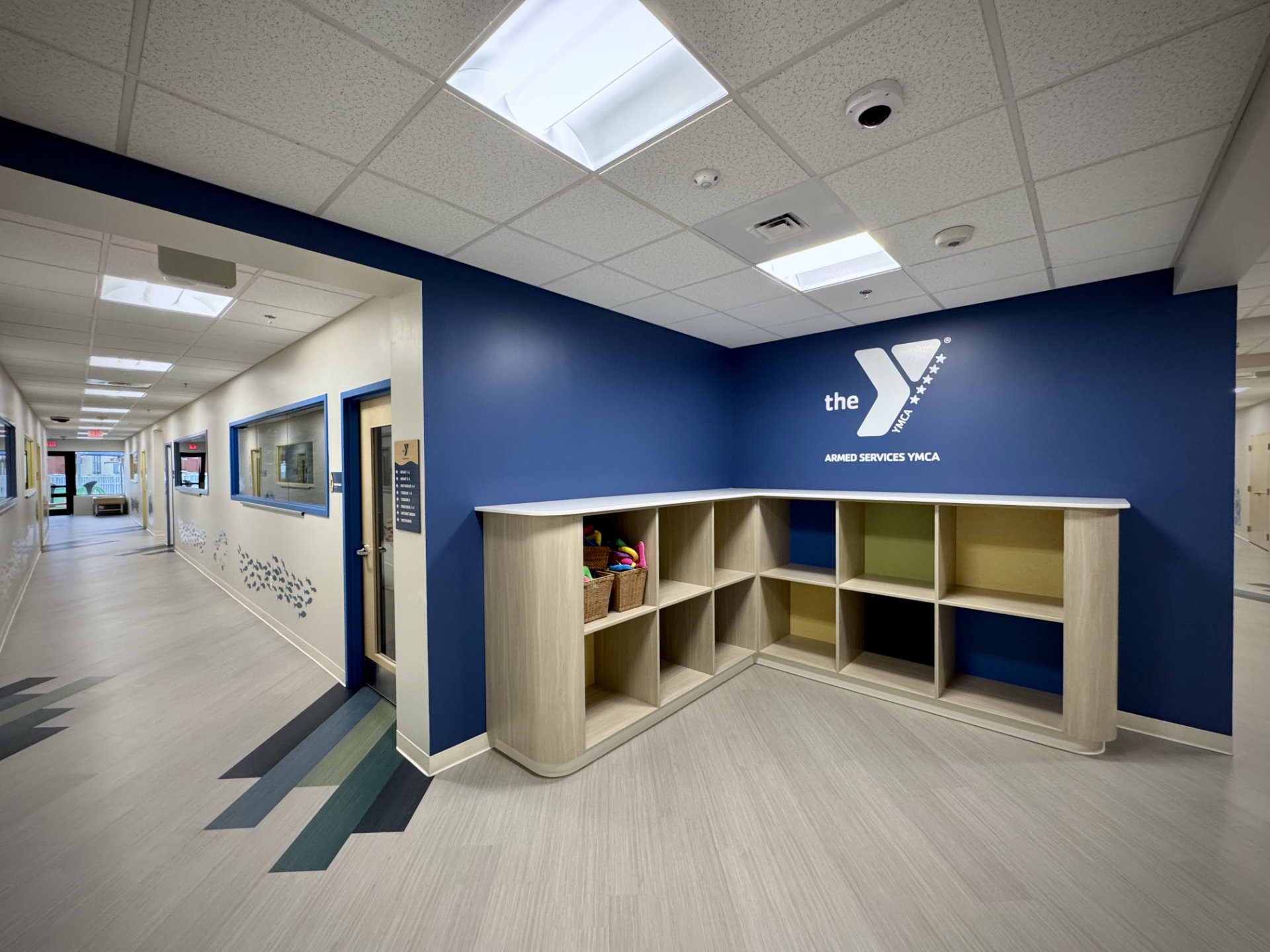
Community organizations like the Armed Services YMCA help military families build connection and stability wherever they’re stationed. Understanding the complexities of military life, the Armed Services YMCA is here to help families navigate transfers, deployments, financial hardships, and even school changes.
Every move, every new school, and every new start is an opportunity for growth, resilience, and unforgettable memories — and the Armed Services YMCA is proud to stand beside military families through every transition.
Originally from Bulgaria, Poli is a foreign national military spouse who recently PCS’d to Italy. She's been a military spouse for about five years and finds the military community incredibly supportive and inspiring. In her free time, Poli enjoys hiking, photography, and writing on travel, lifestyle, and toddler life.