Starting School During a Parent’s Military Deployment
Written by Julianna Burson
The start of a new school year can bring a mix of excitement, anticipation and nerves for any child. There are new teachers to meet, classrooms to explore, friends to reconnect with, and a school year of possibilities ahead.
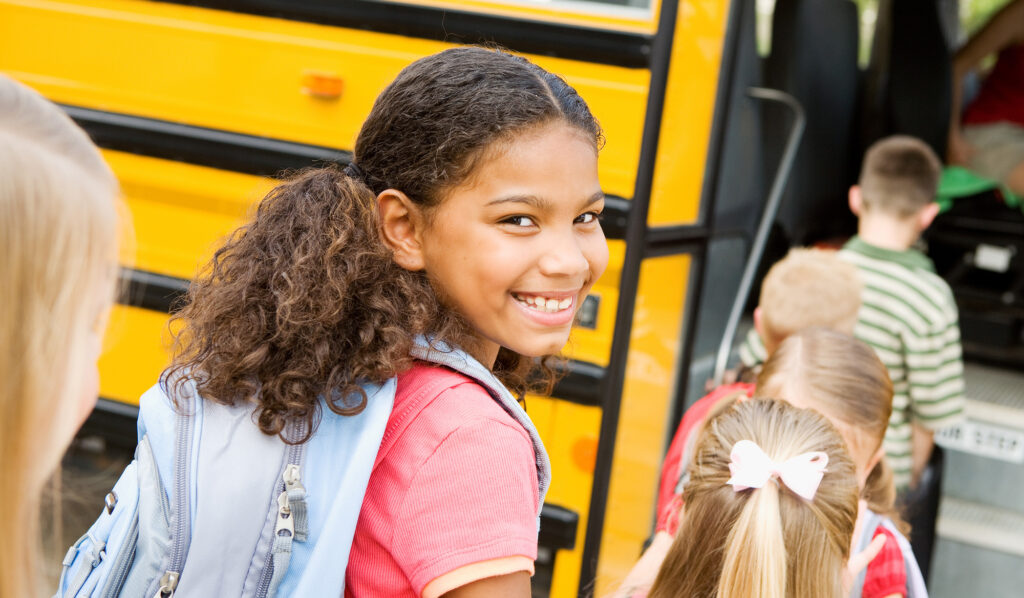
However, for military children, back-to-school can feel a little different when a parent is away because of military deployment. A new school year may bring excitement, but it can also highlight the person who is missing from the family’s everyday routines and special moments. Even something as simple as taking the first-day-of-school picture or first bus ride of the year can bring big feelings.
For military families, there is no single right way to handle those emotions. What matters most is creating space for children to feel supported, connected, and secure as they adjust to a new school year.
A New School Year Can Feel Different
Back-to-school season often brings changes in schedules, activities, and expectations. During a military deployment, those changes may feel overwhelming.
A child might be excited to start a new grade and also sad that a deployed parent won’t be there to hear about the first day in person, or possibly even over the phone. Military children can feel proud, worried, angry, lonely, or even guilty for having fun while their parents are deployed. Those feelings can change daily or even from one moment to the next.
Not every difficult emotion has to be fixed. Sometimes, simple acknowledgment can help. Naming the emotion(s) and making space for them can be helpful.
Let children know that it’s okay to miss their deployed parent and also be excited about school. Both feelings can exist simultaneously. Make time for children to talk about what they’re experiencing as they settle into their new routine,
Preparing Kids Before the First Day
A little preparation can help make the school transition feel more manageable.
- Open Communication – Start talking about the school year early.
- “What are you looking forward to?”
- “What are you worried about?”
- “What are you most excited to do at school?”
- “Is there anything you’re nervous about?”
- Create a Routine:
- Regular bedtime, morning routine, and after-school schedules create a sense of security and predictability – something much needed in the ever-changing military lifestyle.
- Small traditions, such as a special breakfast on the first day of school or a few minutes of family time before bed, can provide comfort.
- Include the Deployed Parent Whenever Possible:
- A planned phone call or video call.
- A recorded back-to-school video message of good luck.
- A handwritten note tucked into a backpack or a letter to open on the first day can help the child feel their presence in the midst of a military deployment.
- Recorded stories about the first day of school from United Through
- Reading help foster connection among military families.
Communication during a military deployment doesn’t always happen according to plan. Internet connections, schedule differences, and operational demands can make regular contact difficult. If a planned communication falls through, reassure your child that it isn’t their fault and look for other ways to stay connected. Our child sends stuffies to join deployments, and dad sends pictures of those stuffies on adventures. We will be starting a deployment diary for when communication is limited and sharing the entries when communication is restored.
Supporting Kids Throughout the School Year
Support doesn’t stop after the first day. Many children have new emotions as the school year progresses and the reality of deployment continues.
Stay connected with teachers.
Teachers and school counselors can help parents notice changes that might otherwise be easy to miss. Additionally, the military School Liaison Program offers a variety of services, including deployment support, to support children, parents, schools, installation leadership, and local communities
Watch for emotional changes.
Children process deployment differently and their needs can change over time. Keeping communication open with coaches, caregivers, or other involved adults can help everyone respond with patience and understanding. Military Family Life Counselors offer free, confidential counseling to service members and their immediate family members needing additional support.
Celebrate milestones together, even from afar.
Whenever possible, share positive moments with the deployed parent via photo, letter, video, or phone call. A good (or improved) report card, a school performance, making a new friend, scoring a goal, or making it through a tough week can all be worth celebrating.
Encourage friendships and extracurricular activities.
Spending time with friends, participating in sports, clubs or other activities can give children opportunities to have fun, build confidence and feel connected to their peers. For military children, friendships can be especially meaningful when they are surrounded by others who understand the unique experiences that come with military life.
Leaning on Your Military Community
One of the most valuable resources for military families during deployment is community.
 Not every challenge has to be navigated independently. Finding a good support system can seem daunting at times, but it is definitely worth it in the end. Support systems can include:
- Friends
- Relatives
- Neighbors
- Teachers
- Other military families
- Local organizations
The Armed Services YMCA is proud to be a part of the military community. Through programs, family events, and opportunities to connect with others, the Armed Services YMCA helps military families build relationships and find support throughout the many seasons of life.
- Operation Hero – a ten week afterschool resiliency program for military children that are having problems socially, emotionally, or academically due to a parent’s deployment or recent PCS. The program includes homework assistance, outdoor activities, and weekly topics from respect to military separations to bullying prevention and more.
- Operation Kid Comfort – provides military children with custom quilts and pillow cases providing comfort during deployment separations.
For families experiencing a military deployment, knowing that there are people who understand can make a meaningful difference. Reaching out for support isn’t a sign that a family isn’t doing well. It’s one way families build resilience and makes sure no one has to carry the weight of deployment alone.
A New School Year Is Still Something to Celebrate
A parent’s deployment may change the way a family experiences the first day of school, but it doesn’t have to take away from the excitement of a new school year. There may be difficult mornings, unexpected tears and moments when a child wishes their parent could be there. There will also be new friendships, proud moments, laughter and accomplishments worth celebrating.
Take the school year one day at a time. Focus on connections. Keep routines when possible. Celebrate small victories. Make room for hard feelings alongside the happy ones.
Remember that military children are not walking through deployment alone. With the support of family, friends, schools, and the broader military community, they can begin a new school year knowing they are loved, cared for, supported and surrounded by people who believe in them.
Support Military Families
Your support ensures military children and families don’t have to face deployment alone.
Join the Armed Services YMCA’s newest campaign, Mission Military Families, bringing financial relief, affordable child care, and community support to military families on the tightest budgets.
Julianna is a Home & Hospital Teacher with a background in biomedical research and education. A Navy spouse of seven years and mom of two, she volunteers with the Navy-Marine Corps Relief Society and is passionate about supporting military families through writing.