

Supporting Kids’ Mental Wellness During Military Deployment
Written by Kalyn Love
Military deployment brings unique challenges to families, especially to children. A parent’s absence can create big feelings, new questions, and noticeable shifts in daily routines. When those emotions do not have space to be expressed, they can build quietly over time.
I still remember how it felt when my dad deployed to Kuwait. I did not have the words then, but the feelings were real. There were tears without warning and fear without clarity. The hardest moments were not the goodbyes, but the silences that followed. The empty chair. The quiet car rides. The missing hug before school.
As we talk about military support, it is important to include children’s mental wellness in the conversation. Supporting service members also means caring for their families, especially the youngest ones.
Understanding the Emotional Impact of Military Deployment
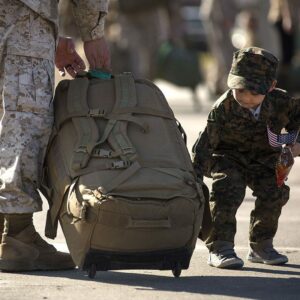
Military kids don’t always verbalize how deployment affects them. Instead, changes in behavior can reflect shifts in emotional balance, especially when routine, connection, and predictability are disrupted.
A child who suddenly refuses to sleep alone or seems more sensitive at school may simply be adjusting to a new normal. These moments are not signs of weakness. They are signals that a child may need reassurance, structure, and safe space to process change.
Helping children put words to their experiences and validating what they feel is a powerful step toward long-term mental wellness. When families need additional guidance, seeking support is a proactive and healthy choice.
How Kids Express Big Feelings at Different Ages
Children express emotional stress differently depending on age:
- Toddlers may become more clingy, have stronger reactions, or struggle with sleep routines.
- School-aged children might withdraw socially, complain of physical discomfort, or show frustration more easily.
- Teens may appear more irritable, spend more time alone, or struggle with motivation.
These responses are often part of adjusting to change. Recognizing them early allows families to respond with empathy and connection, helping children build healthy coping skills that can serve them for years to come.
Supporting Children’s Mental Wellness at Home During Deployment
Parents and caregivers play a powerful role in nurturing resilience during military deployment. Here are simple, supportive practices:
- Maintain Routines
Predictability creates a sense of safety during uncertain seasons. - Encourage Expression
Journaling, art, storytelling, or simple “high and low” conversations at dinner can help children process emotions in healthy ways. - Keep Communication Open
Gentle check-ins like, “What felt good today?” or “What felt hard?” help normalize emotional conversations.
Mental wellness is not about eliminating hard feelings. It is about creating space for them. Let your children know that feeling sad, frustrated, or confused is okay. What matters most is that they feel safe sharing.
ASYMCA: Helping Military Kids Feel Seen, Safe and Supported
The Armed Services YMCA provides military support programs designed to strengthen connection, confidence, and emotional wellness in military children:

- Operation Little Learners supports early childhood development through play-based learning alongside caregivers, building strong emotional foundations.
- Operation Hero gives school-aged children tools to build resilience, practice coping strategies, and connect with peers who understand military life.
- Operation Kid Comfort provides handmade quilts and pillows featuring family photos. These offer tangible reminders of love and connection during deployment.
- Operation Camp creates a space for military children to build friendships, confidence, and a sense of belonging in a supportive environment.
ASYMCA programs focus on empowerment. They help children feel capable, connected, and understood.
Making Mental Health a Family Priority
Open conversations about emotions help normalize mental wellness as part of everyday family life. It is not something to hide or fear. Especially during military deployment, creating an emotionally safe home environment makes a lasting difference.
When military families model emotional openness by talking about feelings, checking in regularly, and leaning on trusted support systems, they strengthen resilience for the entire household.
Families can also benefit from proactive practices such as:
- Family Wellness Plans
Just as families plan logistics during deployment, planning regular emotional check-ins can be equally meaningful. - Shared Emotional Language
Simple tools like feelings charts help children name what they are experiencing. - Community Connection
Engaging with base programs, school counselors, or local ASYMCA branches builds a strong network of support.
Military support goes beyond logistics. It includes mental wellness resources that empower families to thrive emotionally.
We Carry This Together
Military deployment affects the whole family. No one has to navigate it alone. With steady routines, open conversations, and strong community support, children can grow in confidence and resilience even during seasons of distance.
Let ASYMCA be part of your village.
Find your local ASYMCA and explore programs that support mental wellness and resilience in military children.
Because every child deserves to feel safe, heard, and supported, no matter the distance.