

Summer Without School Meals: A Military Mom's Story
Written by Kalyn Love
When most people think about summer, they picture family vacations, afternoons at the pool, and a break from the school routine. But for many families, summer also brings an invisible challenge: keeping enough nutritious food on the table when free or reduced-price school meals are no longer available.
As a military mom, I understand the unique financial challenges that military life can bring. While my own children aren’t school-aged, I spent several years as a first-grade teacher, and that experience opened my eyes to the reality of summer food insecurity. As the school year came to an end, I couldn’t help but worry about some of my students. For many of them, breakfast and lunch at school weren’t just convenient — they were dependable meals that helped them thrive.
That perspective has stayed with me, and it’s one of the reasons I believe conversations about military family food insecurity are so important.
When Summer Changes Everything

As a teacher, I watched the excitement build as summer vacation approached. My students counted down the days until they could sleep in, play outside, and enjoy a break from homework. While I shared in their excitement, I also knew that not every child was heading into a carefree summer.
For some families, summer meant higher grocery bills and fewer dependable meals. Every breakfast, lunch, snack, and dinner now had to come from home, and those additional costs can add up quickly.
Military families often face financial pressures that aren’t always visible to others. Frequent moves, deployments, and challenges with spouse employment can make it difficult to maintain financial stability. When school meal programs pause for the summer, those existing pressures can intensify.
The Hidden Challenge of Summer Food Insecurity
Many people assume that military families don’t experience food insecurity, but that’s simply not the case. Military family food insecurity affects families across all branches of service, particularly junior enlisted households and those navigating financial transitions.
During my time in the classroom, I learned that hunger isn’t always obvious. Some children quietly rationed snacks, eagerly anticipated breakfast each morning, or mentioned that school lunch was their favorite meal of the day. Those small moments reminded me that schools do much more than educate — they also help meet basic needs.
When summer arrives, that safety net changes.
For military families already balancing housing costs, childcare, transportation, and rising food prices, losing access to school meals can create additional financial strain. That’s why increasing awareness of food assistance for military families is so important. Families should know that support exists and that using available resources is a proactive way to care for their children.
Making It Work
Every family approaches summer differently, but thoughtful planning can help stretch a grocery budget.
Meal planning is one strategy that many families find helpful. Planning budget-friendly meals ahead of time, shopping with a list, cooking larger portions for leftovers, and choosing seasonal produce can all reduce food waste and help lower grocery costs.
Families may also look for free summer meal programs in their communities, participate in local food distributions, or connect with organizations that specialize in supporting military households.
While budgeting and careful planning can certainly help, they aren’t always enough. Sometimes families simply need additional support, and that’s okay.
Why Support Matters
No parent should have to worry about whether they’ll be able to provide enough food for their children during the summer months.
That’s why strong military family support matters. Community organizations, schools, food pantries, and military-focused nonprofits work together to help ensure children can continue receiving nutritious meals even when school is out.
Access to food assistance for military families not only helps meet immediate needs but also reduces stress, allowing parents to focus on caring for their families rather than constantly worrying about grocery costs.
As someone who has seen firsthand how important reliable meals are for children’s learning and well-being, I know that these programs can have a lasting impact.
How the Armed Services YMCA Helps
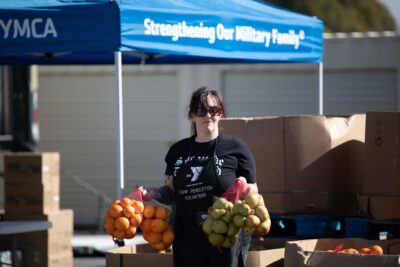
One organization making a meaningful difference is the Armed Services YMCA.
Through food distributions and other family support programs, the Armed Services YMCA helps military families navigate seasonal challenges such as summer food insecurity. Their services help ease financial burdens while ensuring families have access to nutritious food when they need it most.
Beyond food assistance, the Armed Services YMCA strengthens military families through educational resources, childcare support, and community connections. These services remind families that they don’t have to face difficult seasons alone.
Supporting Military Families Beyond the School Year
Summer should be a season filled with opportunities for children to learn, play, and grow — not a time when families worry about where the next meal will come from.
Although my perspective comes from the classroom rather than my own home, I’ll never forget the students who made me realize how important school meals were in their daily lives. Those experiences continue to shape how I think about military family food insecurity and the importance of supporting families year-round.
By raising awareness, connecting families with resources, and supporting organizations like the Armed Services YMCA, we can help ensure every military child has access to the nourishment they need — not just during the school year, but all summer long.
, Blog Author Listing Kalyn LoveResults
Recently PCS’d to Fort Drum from Fort Campbell, Kalyn is a military spouse and former first-grade teacher with a degree in elementary education. Now a stay-at-home mom, she loves using her writing to encourage and connect with fellow military spouses.