Finding Support as a Military Spouse
Written by Mary Joy Matias
The Silent Weight of Military Life: Why Military Spouse Support Matters
There was a time when I thought I was just having a bad day. Then the bad days turned into weeks, the weeks turned into months. Living apart from my husband because of military life has been one of the hardest seasons I’ve ever experienced. While everyone around me sees a mom taking care of her children, going to work, and managing everyday responsibilities, they don’t always see the silent battle happening inside.
I’ve been living in constant anxiety and worry. Even when everything seems okay, my mind convinces me that something is about to go wrong. It feels like I’m always in survival mode, waiting for the next problem, the next phone call, the next challenge. It’s exhausting to live as though you’re constantly preparing for a storm that never seems to end.
I’ve cried for days. I’ve cried in my car before work, in the restroom during my shift, and alone after everyone else has gone to sleep. I questioned whether I would ever feel like myself again.

Living Beyond the Loneliness
Military spouse life teaches you to be strong. It teaches you to adapt, to carry the burden, and to keep moving. But sometimes, in trying so hard to be strong, we forget that strength also means admitting when we’re struggling.
This is not a story about having all the answers. It’s about choosing to keep going, even on the days when hope feels far away. It’s about learning that healing isn’t always instant, and that asking for help doesn’t make us weak — it makes us human.
When Everything Felt Heavy
For a long time, I convinced myself I could handle it on my own. I told myself that what I was feeling was just part of being a military spouse. That the constant worrying, overthinking, racing thoughts, and feeling like I always had to be prepared for the worst would eventually pass. I believed that if I just stayed busy, stayed strong, and kept putting everyone else first, I’d somehow find my way back to myself.
But I didn’t.
Instead, I found myself living in survival mode. Even when nothing was wrong, my mind would search for something to worry about. I cried more than I smiled. I felt guilty for struggling because, from the outside, my life looked okay. Yet inside, I was exhausted.
The hardest part was admitting that I was struggling.
The hardest part was admitting that I couldn’t carry it alone anymore.
As military spouses, we’re often praised for being resilient. We learn to adapt through deployments, long separations, missed milestones, and the uncertainty that comes with military life. Somewhere along the way, many of us begin to believe that asking for help means we’ve failed. IT DOESN’T.
Asking for Help: Seeking Professional Mental Health Support
The day I decided to seek professional help was one of the scariest days of my life. I worried about being judged. I wondered if people would think I wasn’t strong enough. I questioned whether my feelings were “serious enough” to deserve help.
But I made the appointment anyway.
Seeking mental health support did not magically erase my anxiety. It didn’t make every difficult day disappear. But it did remind me that I don’t have to fight this battle alone. Every appointment, every conversation, and every small step forward is an act of choosing myself.
Healing One Day at a Time
I used to think being strong meant keeping everything to myself.
As a military spouse and a mom, I felt like I had to hold everything together, even when I was falling apart inside. I kept telling myself, “I’ll be okay,” while quietly struggling with anxiety.
The hardest step wasn’t admitting I was hurting — it was asking for help.
I’m still healing, and some days are harder than others. But I’m learning that healing doesn’t happen all at once. It happens one day, one choice, and one small step at a time.
If you’re carrying more than anyone knows, I hope you remember this: you don’t have to do it alone. It’s okay to ask for help. It’s okay to choose yourself, too.
We’re all healing, one day at a time.
Why Military Community Matters
One of the greatest gifts of military life isn’t a place — it’s the people.
The military community understands what others often can’t. They know what it’s like to say goodbye, miss milestones, start over, and keep going through the unknown.
When you’re far from your family, the military community becomes your family. They celebrate your victories, support you through hard days, and remind you that you’re never alone.
I’ve learned that asking for help doesn’t always mean having all the answers. Sometimes it simply means letting someone walk beside you.
The military community matters because it’s built on kindness, understanding, and showing up for one another. No matter where duty takes us, those connections remind us that we always have a place to belong.
Together, we’re stronger — and that military spouse support helps us face these battles with shared wisdom and experience.
You Are Not Alone
To the military spouse silently carrying the weight of everything — you are not alone.
It’s okay to admit you’re struggling. It’s okay to ask for help. Being strong doesn’t mean suffering in silence.
If your heart feels heavy, take one step at a time. Healing is possible, and brighter days will come. Just look at me.
Armed Services YMCA: Support for Military Families
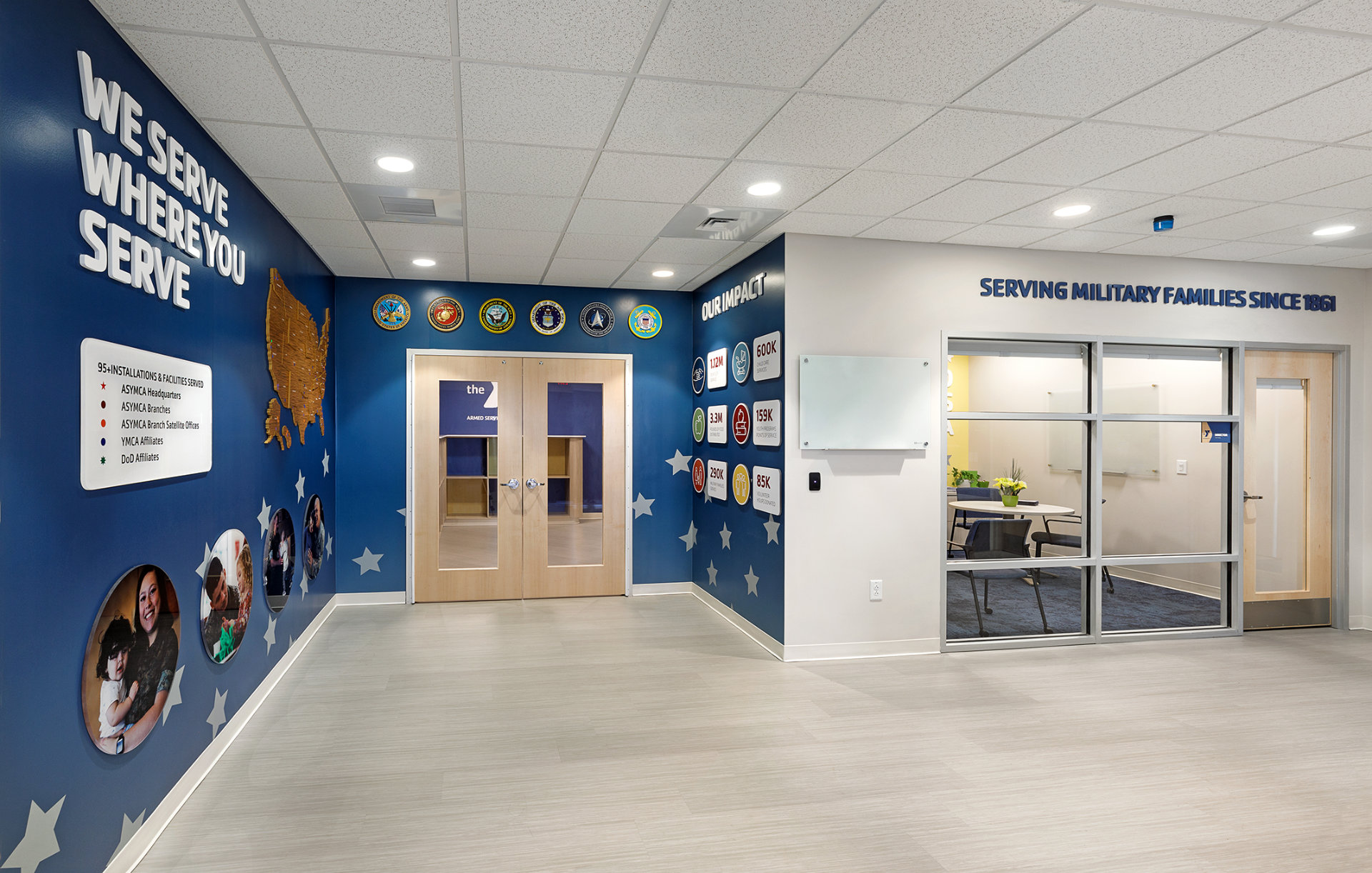
The Armed Services YMCA understands the unique challenges of military life and proudly stands with military families through every step of their journey. From community building to military spouse support, each program and service is tailored to the current needs of real military families.
That support has made a direct impact in my life. From volunteering to sharing my story on this blog, the Armed Services YMCA has supported me when I needed it most.
And, most importantly, it has reminded me — and hopefully you — that:
You are seen. You are valued. And you never have to face this journey alone.
Originally from Guam, Joy is a Navy spouse and parent of three currently stationed in Virginia. A former employee at ASYMCA’s childcare center, she vlogs about military life and is passionate about uplifting military families through transitions, deployments, and everyday experiences.
If you or a loved one is facing a mental health crisis, please seek immediate assistance by calling or texting the Suicide & Crisis Hotline at 988 or calling 911.