

A Day in the Life of a Military Family
Written by Julianna Burson
 Before the Boots Hit the Floor
The alarm goes off at 4:30 AM, two and a half hours before our kindergartener gets up for school. My service member hits the snooze button, and I try my best to tune it out for as long as I can. As he gets out of bed to get ready, our rescue Aussie comes over for cuddles. My husband kisses my forehead after he’s dressed and heads downstairs to grab his prepped breakfast and lunch to start his commute to base. He’s out the door before most people wake up, typical for those in a military routine.
I get up and tell our child it’s time to wake up. She’s in a good mood this morning and gets herself ready with ease — head to toe in pink. After we’re dressed, we head down for the remainder of our morning routine: feed the dogs, let them outside for a bit, have breakfast, pack lunches, and hurry to the bus stop before starting my own work day.
The daily life of a military family looks different for everyone and varies by duty station, rank, assignment, and deployment status, but all experience challenges and wins.
Unseen Challenges and Uncelebrated Wins
Military spouses carry the weight of an invisible load: primary caregiver, scheduler, homework helper, chef/baker, teacher, volunteer, dog walker, chicken tender, gardener, home repair person, chauffeur, friend, motivator, etc. Some days are busier than others, with last-minute changes shifting the day’s timeline.
My sailor has cross-country orders to sea duty on a carrier. There is an upcoming Permanent Change of Station (PCS) move. Our new PCS binder is now under construction.
Our PCS Binder includes:
- Printed PCS policies relevant to our family
- Personally Owned Vehicle (POV) shipment options
- Travel Accommodations
- Household Goods (HHG) or Personally Procured Move (PPM) paperwork
- Important Documents and Records (for every human and canine member of our family)
- Separate zipper pouches for gas, food, and lodging receipts
This little binder will foster sanity through the chaos of our PCS move. I call that a small win in the midst of so many challenges.
This new chapter also brings a better financial outlook for our family, as it includes a promotion for my spouse. A much-needed ameliorant during a difficult economy, especially as military spouse employment challenges have impacted our family.
We are still on the fence on whether geo-baching would be the best option for our family. Since we bought our home at our current duty station, staying here is an option that would not be available to us if we lived in military housing. Usually, a family must leave military housing if the service member has orders to another location that is not within commuting distance. We’re fortunate to have the choice, but the decision weighs heavily on us.
Maintaining Stability in Motion
Military family life can be tumultuous and unpredictable. Here are some of the ways our family overcomes the challenges of this lifestyle.
Creating Consistency
- Shared Calendars — Military routine dictates most of our lives, and our service member is often gone before we wake up and home after bedtime. Shared digital calendars help us organize our lives, communicate our schedules, and plan future events.
- Family Mealtime — Prepping dinner together and eating at the table is our favorite whenever we are all home together in the evenings. Family meals at the table encourage healthy eating habits and open communication while improving mental health and strengthening family bonds.1
- Bedtime Routine — When my husband is home in the evenings, he reads our daughter a book before bed for a quiet connection. Military parenting means choosing consistency where we can and adjusting when needed.
- Constant Canine Companionship — Our dogs are our fur babies, and our daughter even calls our newest pup her ‘sister’. Our oldest dog has traveled with us over 9,000 miles on three cross-country moves and has been a best friend, confidant, hiking buddy, nanny, and the best shoulder to cry on.
- Emotional Check-ins — Sometimes military family life leaves little room for connection as husband and wife. As a military couple, we often end our day with an emotional check-in after 10 PM or maybe just a phone call, depending on whether he is home or an email if he is deployed. It is common to mask our emotions throughout the day for the sake of employers, coworkers, and children. Dedicating time to connect emotionally provides a healthy outlet for emotional regulation and helps us identify ways we can support each other as spouses and parents.
- Stay Connected — Maintaining relationships without proximity can be tough. Phone calls, video chats, and social media help us stay in touch with friends and family. Reconnecting with friends from past duty stations when they PCS to your current duty station is the cherry on top, especially when military children reconnect.
The invisible load is even heavier during deployments and high-stress periods. During these times, I take on all the household chores, parenting, animal caretaking, financial management, and minor home repairs. Solo parenting is a significant part of military family life; the fiscal and emotional support provided by the service member is the key differentiator between solo parenting and single parenting. It’s a heavy load to carry alone.
Leaning into routines, like those above, during these times can help to reduce the invisible load, but there are also military support systems that can help ease the burden.
Support Systems in Action
The Armed Services YMCA (ASYMCA) offers invaluable support across the country. Considered a “home away from home,” ASYMCA fosters community, connection, and resilience. Our family benefited from several wonderful ASYMCA programs, enriching our military life and reducing my invisible load.
ASYMCA Support Programs
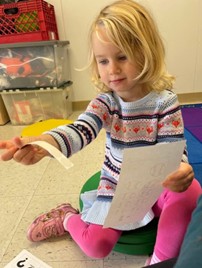
- Operation Little Learners (OLL) — This parent-child program for littles is a great way to connect with other military spouses who have children of the same age. We participated in OLL as social distancing was coming to an end after the COVID-19 pandemic, and socialization was so important for our child’s development and my mental health.
- Operation Holiday Joy — Being away from family and friends for the holidays is tough enough. Adding deployments, loss of military spouse income, food insecurity, and more complicates the holidays further. Operation Holiday Joy provides toys and food baskets to junior enlisted, spreading cheer to recipients, volunteers, and donors alike.
- Operation Kid Comfort — Deployments are hard on military children. Operation Kid Comfort provides custom quilts, pillowcases, and even lovies to children of deployed service members, giving them a tangible comfort item with the image of their deployed parent. Our daughter has had hers since 2021, and it’s still a favorite.
- Food Assistance — More than 25% of military families need assistance with food. The ASYMCA bridges the gap with nutritious fresh produce, pantry staples, and more.
Get Connected
Find your local ASYMCA branch for specific programs and events that support your daily military family life. Or, become a needed and valued volunteer, enriching the lives of military families across our nation. The meaningful connections created through the ASYMCA benefit the givers and the recipients, lasting for many years to come!
Day-to-day life may look different for military families, changing with every season and life chapter, but ASYMCA is here to help every step of the way.
Sources:
1The Importance of Eating Family Meals Together – https://www.army.mil/article/283619/the_importance_of_eating_family_meals_together