
The Best Deployment Advice for Military Families
Written by Chelsea Guigma
Sometimes, things unexpectedly go left and hit the fan, and we feel ready to throw in the towel during a deployment. The stress and anxiety can seem to be unbearable when our service member is deployed. Immersing ourselves into a local military community during these times is crucial for us and our families’ mental and emotional well-being.
At moments when tensions rise overseas and military families may once again face the possibility of deployments or extended separations, the realities of military life can feel especially close to home. Many spouses and families are navigating uncertainty about what the coming months may bring. Now more than ever, leaning on community, connection, and trusted support systems can make a meaningful difference for military families.
Remember, accessing deployment resources for military spouses can significantly alleviate the burden of deployment.
Here is the best deployment advice for military families from a military spouse:
Effects of Deployment on Military Families: The Rollercoaster of Emotions
Deployment is a critical time for military families, marked by a rollercoaster of emotional phases. Initially, we may experience deep emotional upheaval, with levels of anger or anxiety at an all-time high. We are forced to learn how to navigate life without our loved ones and take on an additional workload of responsibilities. Feelings of loneliness and social isolation can creep in from time to time. However, as the arrival countdown begins, relief and excitement take over, and we return to our usual selves. This challenging journey involves a complete whirlwind of emotions for all of us.
Advice for Staying Strong and Connected
Communication Is Key
In relationships, especially before deployment, it is important to prepare, set expectations, and discuss the roles a military spouse will assume. Proper family care planning should include authorizing power of attorney, establishing wills and living wills, and arranging life insurance. Communicating openly and transparently about the welfare of the service member and the support for their military family is essential, as is discussing the reunion and future expectations when your service member returns home.
Bridging the Gaps: Maintaining Connection Despite Deployment
Staying connected as often as possible is crucial. Creating a heartfelt gift and channeling your creative energy to make a care package shows your love and care. Personalizing your spouse’s care package fosters a connection with their family and home. This activity is a fun way to involve the kids and spend quality time together. Recording these moments to share with your service members will make them feel special.
We are truly in a golden age of digitalization. Social media and video apps such as FaceTime or Messenger enhance experiences and strengthen emotional bonds between you and your deployed service member. Sharing your life and events with them and keeping them in the loop through vlogging and reels helps them feel included in special or critical moments in their family’s lives.
Building a Support Network
”Is my spouse deployed, leaving me lonely and stuck inside? What now?” If this is what you’re thinking, remember you should never go through a deployment alone. Start researching local events and organizations to volunteer or participate in. You’ll be surprised by how many people are in similar situations and are eager to meet and support someone like you.
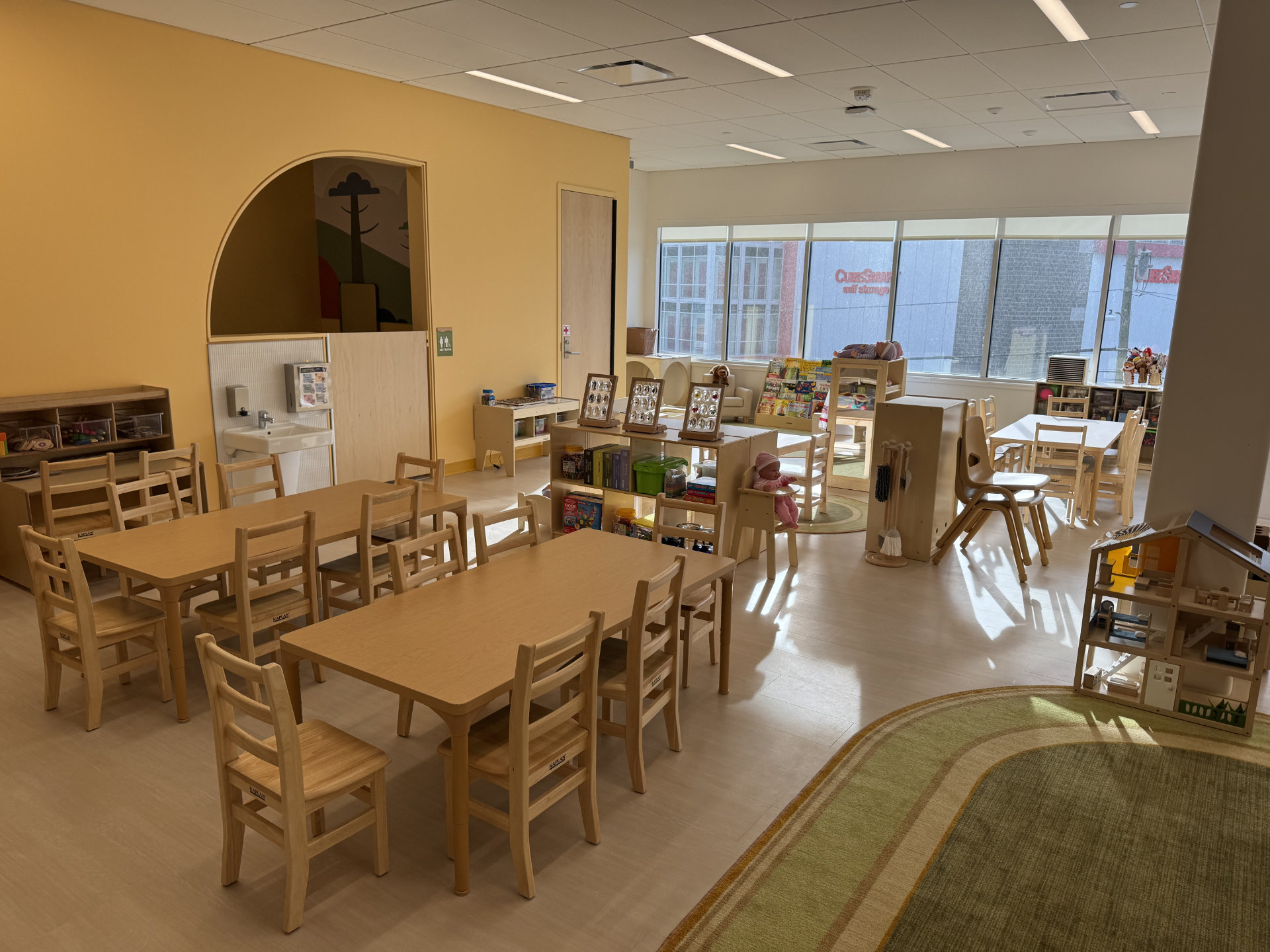
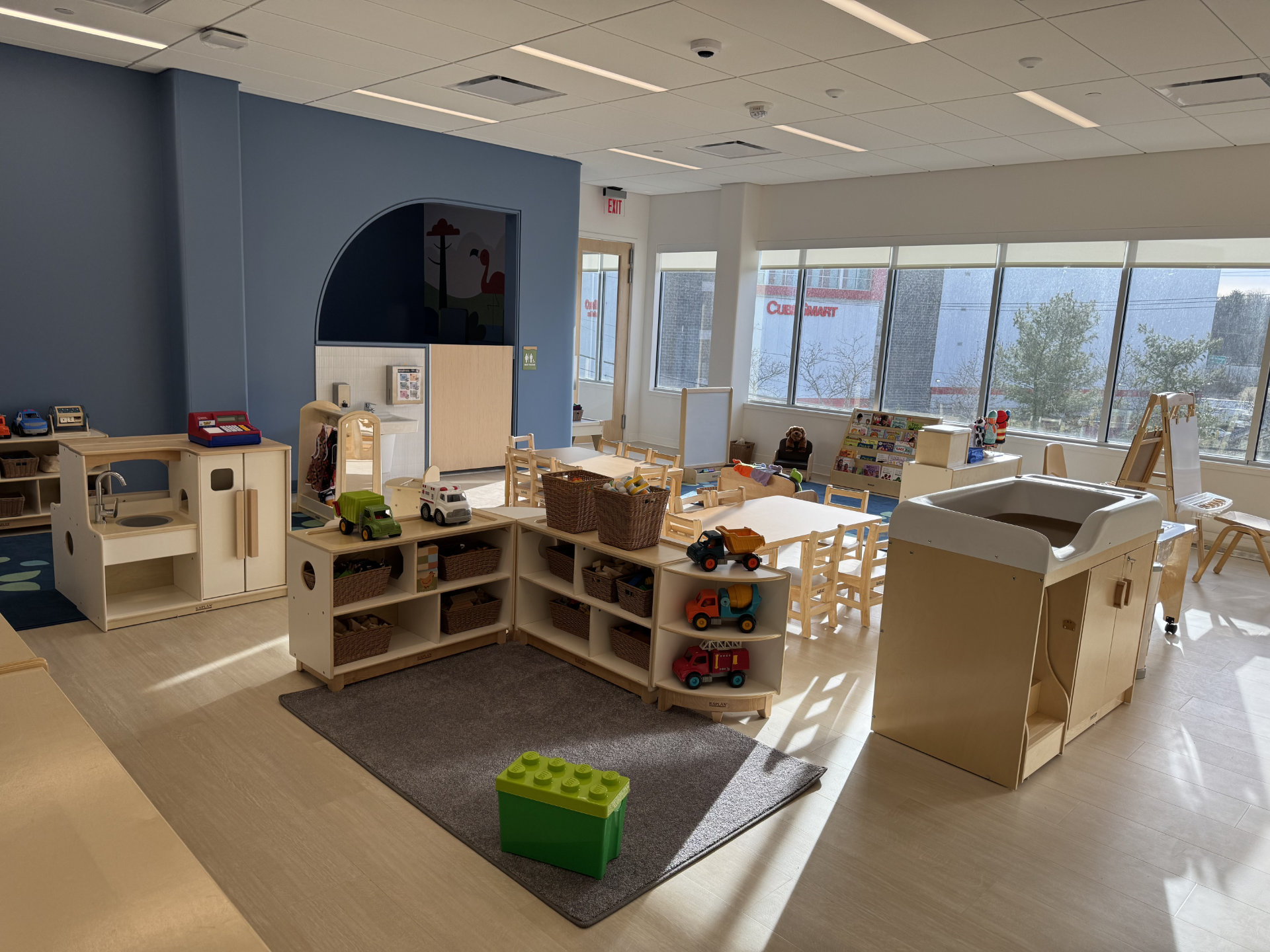
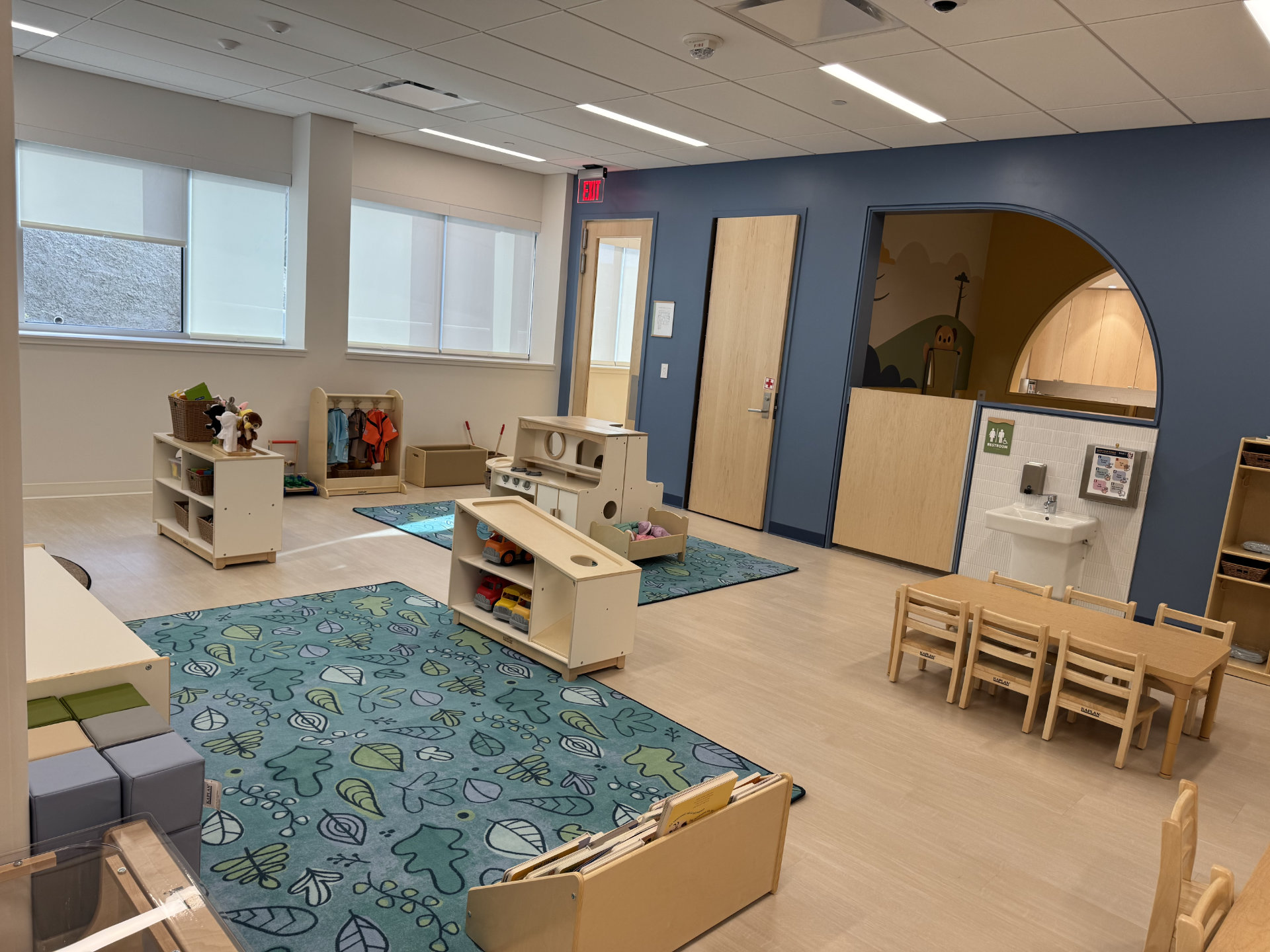
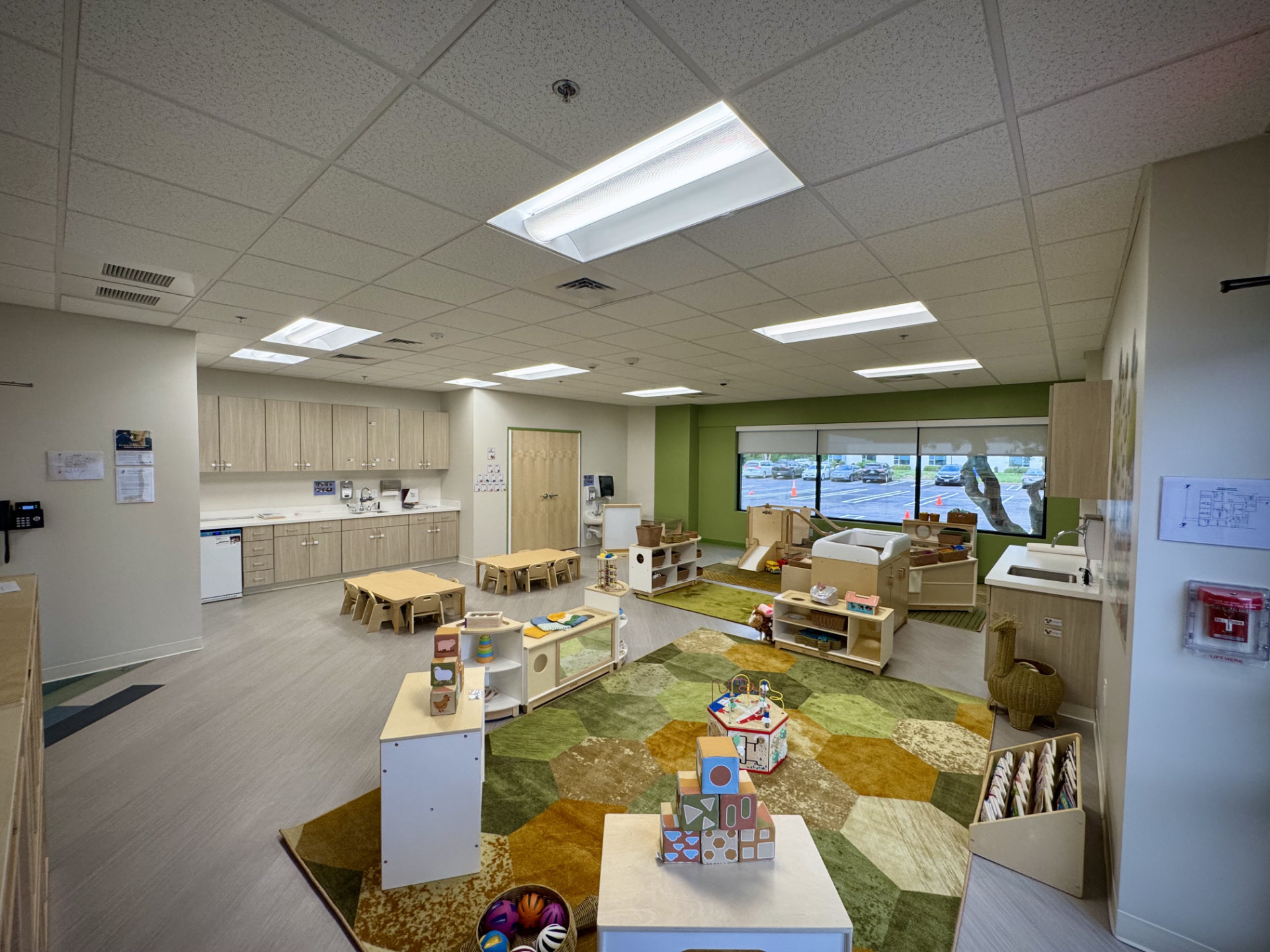
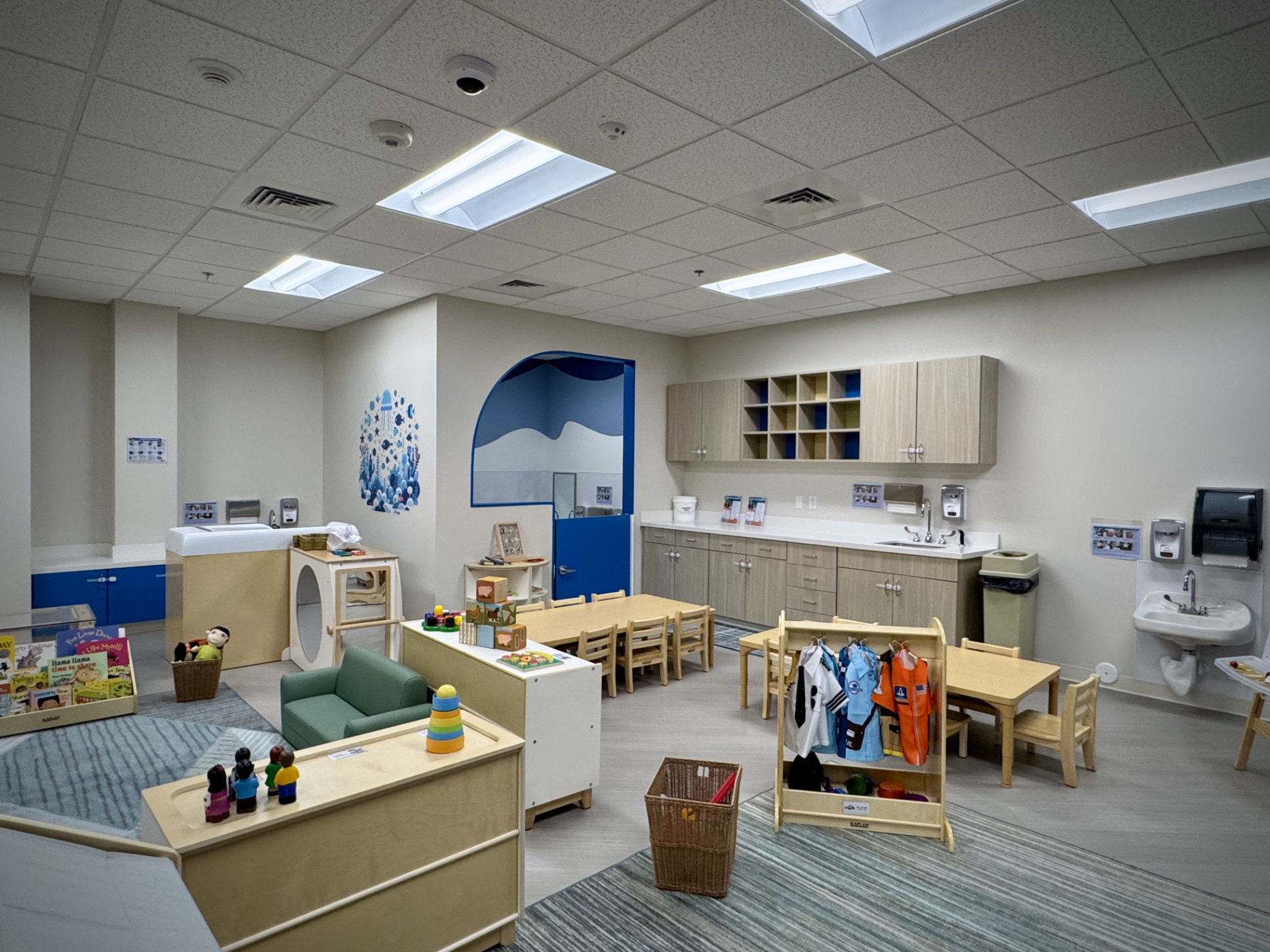
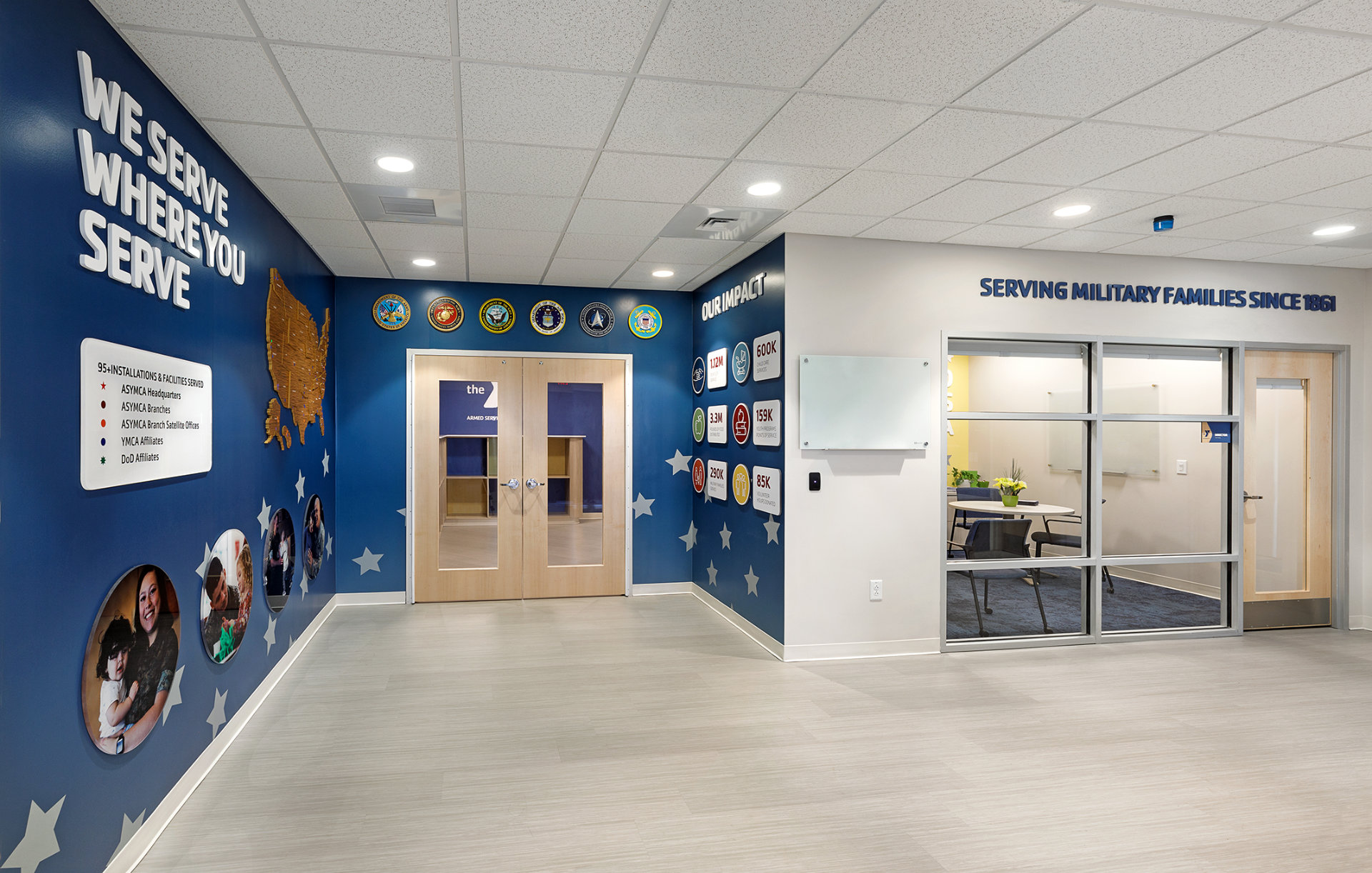
Building a support system and finding a community that resonates with your lifestyle provides the solace needed during these times. Leveraging resources offered by the Armed Services YMCA (ASYMCA) can provide child care, food assistance, and support networks in your area. Online platforms and social media also offer another layer of support, with numerous support groups available or the opportunity to start one to connect with military families worldwide and in your neighborhood.
Self-Care and Independence
Self-care and well-being should be prioritized in your everyday life. Sometimes, making time for yourself during a deployment will feel harder. Practicing self-care is an act of self-love, so don’t feel bad about loving yourself a little more during these tough times.
- Enjoy a walk or a hike outdoors in the heart of nature
- Practice meditation or pray
- Read more personal development books or something you’re interested in.
- Join a fitness class on base or at a local gym.
Now is the perfect time to do the things you enjoyed doing before life got in the way. When was the last time you learned a new skill? Are you thinking about or preparing to enter the workforce again? Professional development is essential to improving and enhancing your confidence and employment prospects. Engaging in both reskilling and upskilling is important and will enhance your overall earning potential and career opportunities.
Supporting Military Families Through Deployment
Deployments affect the entire family, not just the service member. Moments of uncertainty, especially when global tensions rise and new missions emerge, can bring added stress and concern to military households.
During times like these, the Armed Services YMCA (ASYMCA) is seeing more military families turn to its programs for support, from food assistance and child care to youth programs and community connection. These services help ease the burden for families navigating deployment and the challenges that come with it.
Through programs like Operation Ride Home, Operation Hero, and local food distributions, ASYMCA continues to stand alongside junior enlisted service members and their families when they need it most.
Your support helps ensure these resources remain available for the families who rely on them. Donate today to help ASYMCA continue providing critical support to military families facing deployment and uncertainty.