Between school schedules, activities, military commitments, and unpredictable workdays, getting dinner on the table can feel like one more thing on an already long list.
For military families, routines can change quickly. A late workday, a training schedule, a new duty assignment, or simply a busy evening with kids can make elaborate meals feel unrealistic. Add grocery costs to the mix, and finding easy meals for military families that are both convenient and affordable can become an even bigger challenge.
When Dinner Needs to Be Simple
The good news? Family dinners don’t have to be complicated to be meaningful. With a few flexible ingredients and some simple strategies, you can create comforting fall meals that fit busy schedules and stretch your grocery budget.
Fall is a great time for cozy family meals, but that doesn’t mean dinner needs to take hours to prepare. For busy military families, the best meals are often the ones that are easy to start, easy to customize, and easy to turn into leftovers. Think one-pot meals, sheet-pan dinners, slow-cooker recipes, and dishes that use ingredients you already have at home.
Convenience matters, but so does affordability. Choosing fall recipes with common ingredients can help you avoid buying specialty items that may only be used once. It can also make it easier to adjust a recipe based on what’s already in your pantry or freezer.
Most importantly, don’t worry about making every meal perfect. Sometimes a simple bowl of soup, a sandwich, or breakfast for dinner is exactly what a busy family needs.
Choose Meals That Work Harder
One of the easiest ways to make meals more manageable is to choose recipes that can do double duty. A dinner that provides leftovers for lunch—or becomes the base for another meal—can save both time and money.
Here are a few easy fall meal ideas for military families:
Slow-Cooker Chili
Chili is a classic fall dinner because it’s filling, flexible, and easy to make in a slow cooker. Start with ground beef or turkey, beans, canned tomatoes, and your favorite seasonings. You can add vegetables such as onions, peppers, or corn if you have them available.
Don’t have every ingredient? That’s okay. Chili is easy to customize.
Serve it with bread, cornbread, rice, or tortilla chips. The next day, use leftover chili as a topping for baked potatoes or spoon it over rice for a quick second meal.
Sheet-Pan Chicken and Vegetables
For a simple dinner with minimal cleanup, combine chicken and whatever vegetables you have on hand on a sheet pan. Potatoes, carrots, broccoli, onions, and frozen vegetables can all work.
Add a little oil and your favorite seasonings, then roast everything together.
If you make extra chicken, save it for the next day’s lunch. Leftover chicken can become a sandwich, wrap, salad topping, quesadilla, or ingredient in soup.
Soup With Bread or Sandwiches
A big pot of soup can be one of the most affordable family meals. Vegetable soup, chicken noodle soup, potato soup, and bean soup can all be adapted based on what you have available.
Pair soup with toasted bread or simple sandwiches for a complete meal.
Soup also freezes well, making it useful for nights when the family schedule doesn’t leave much time for cooking.
Baked Pasta
Baked pasta is another family-friendly option that can stretch across multiple meals. Combine pasta with tomato sauce, vegetables, ground meat, beans, or leftover chicken. Add cheese if you have it, then bake until warm and bubbly.
The recipe doesn’t have to be exact. If you have extra vegetables in the refrigerator or a partial container of sauce in the pantry, this is a good opportunity to use them.
Pack the leftovers for lunch or save a portion for another busy evening.
Breakfast for Dinner
Sometimes the easiest dinner is breakfast.
Eggs, toast, oatmeal, pancakes, potatoes, fruit, and other breakfast staples can come together quickly and affordably. Kids can also help with simple tasks such as mixing pancake batter, setting the table, or adding toppings.
Breakfast for dinner can be a fun way to break up the weekly routine without adding extra stress.
Make the Most of What You Already Have
Before heading to the grocery store, take a quick look through your pantry, refrigerator, and freezer. You may already have the makings of dinner.
Keep versatile staples on hand when possible, such as pasta and rice, canned beans and tomatoes, frozen vegetables, potatoes, eggs, oats, bread or tortillas, peanut butter, and basic seasonings and sauces. These ingredients can become the foundation for many different meals.
It can also help to think in terms of substitutions rather than strict recipes. If a recipe calls for broccoli but you have frozen green beans, use the green beans. If you don’t have chicken, beans may work instead. If you’re missing a particular cheese, simply leave it out or use another variety.
Buying ingredients that can be used in several meals is often more practical than purchasing something specifically for one recipe. And when you do cook, consider making a little extra when your budget allows. Intentionally planning for leftovers can turn tonight’s dinner into tomorrow’s lunch with almost no additional cooking.
When Grocery Budgets Feel Tight
For many families, grocery shopping is about more than deciding what sounds good for dinner. Food costs can put real pressure on a household budget, and military families may face additional challenges during periods of transition, relocation, training, or changing schedules.
Food insecurity and food instability can affect families in many different circumstances. Needing help putting food on the table isn’t a personal failure, and families shouldn’t feel embarrassed about using resources that are available to them.
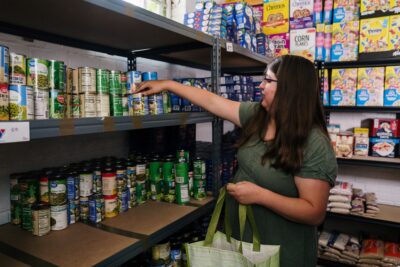
If your grocery budget is stretched thin, consider looking into local food assistance programs, military family resources, community food pantries, and other forms of support. These resources can provide an important bridge when a family needs a little extra help.
Food Support for Military Families
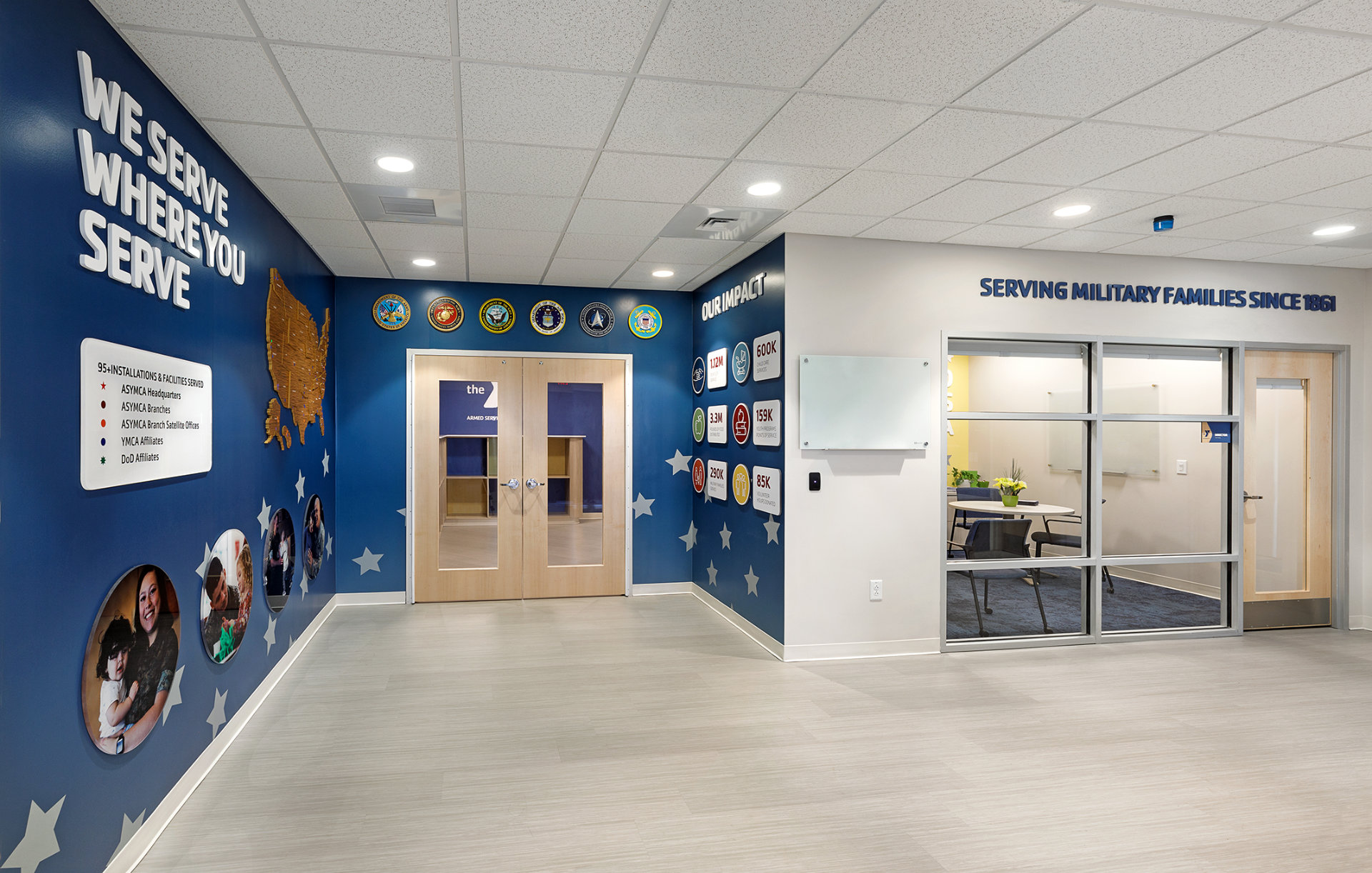
Military families don’t have to navigate food challenges alone. Organizations such as the Armed Services YMCA work to support military families and connect them with resources that can help meet everyday needs.
If food costs are becoming difficult to manage, reaching out for assistance can be a practical step — not something to be ashamed of. Resources may vary by location and eligibility, so military families can explore what support is available in their community.
Asking for help can make it easier to focus on what matters most: keeping your family fed, supported, and connected.
Simple Meals Can Still Bring Families Together
Busy seasons don’t have to mean giving up on family meals. A slow-cooker chili, a sheet-pan dinner, a bowl of soup, or even breakfast for dinner can provide the comfort of sitting down together without requiring hours in the kitchen.
For military families especially, flexibility matters. Choose meals that can adapt to your schedule, use ingredients you already have, and stretch into leftovers whenever possible.
And when grocery budgets feel tight, remember that support is available. Reaching out for food assistance and family resources can be an important part of caring for your household.
The goal isn’t to create elaborate meals every night. It’s to find easy meals for military families that are simple, affordable, and realistic—and make room for a little comfort and connection along the way.
Find Support for Your Military Family
If your family is facing military food insecurity or needs help making the grocery budget stretch, explore available Armed Services YMCA programs and local military family resources. Reaching out for support can help your family navigate challenging seasons with greater peace of mind.
Recently PCS’d to Fort Drum from Fort Campbell, Kalyn is a military spouse and former first-grade teacher with a degree in elementary education. Now a stay-at-home mom, she loves using her writing to encourage and connect with fellow military spouses.
When Maya accepted her placement in the Early Childhood Education Fellowship, she thought she was simply stepping into a professional development program. What she didn’t realize yet was that she was beginning a transformative journey—one that would shape not only her career, building portable skills and opening doors to new opportunities, but also the lives of countless young children and families.
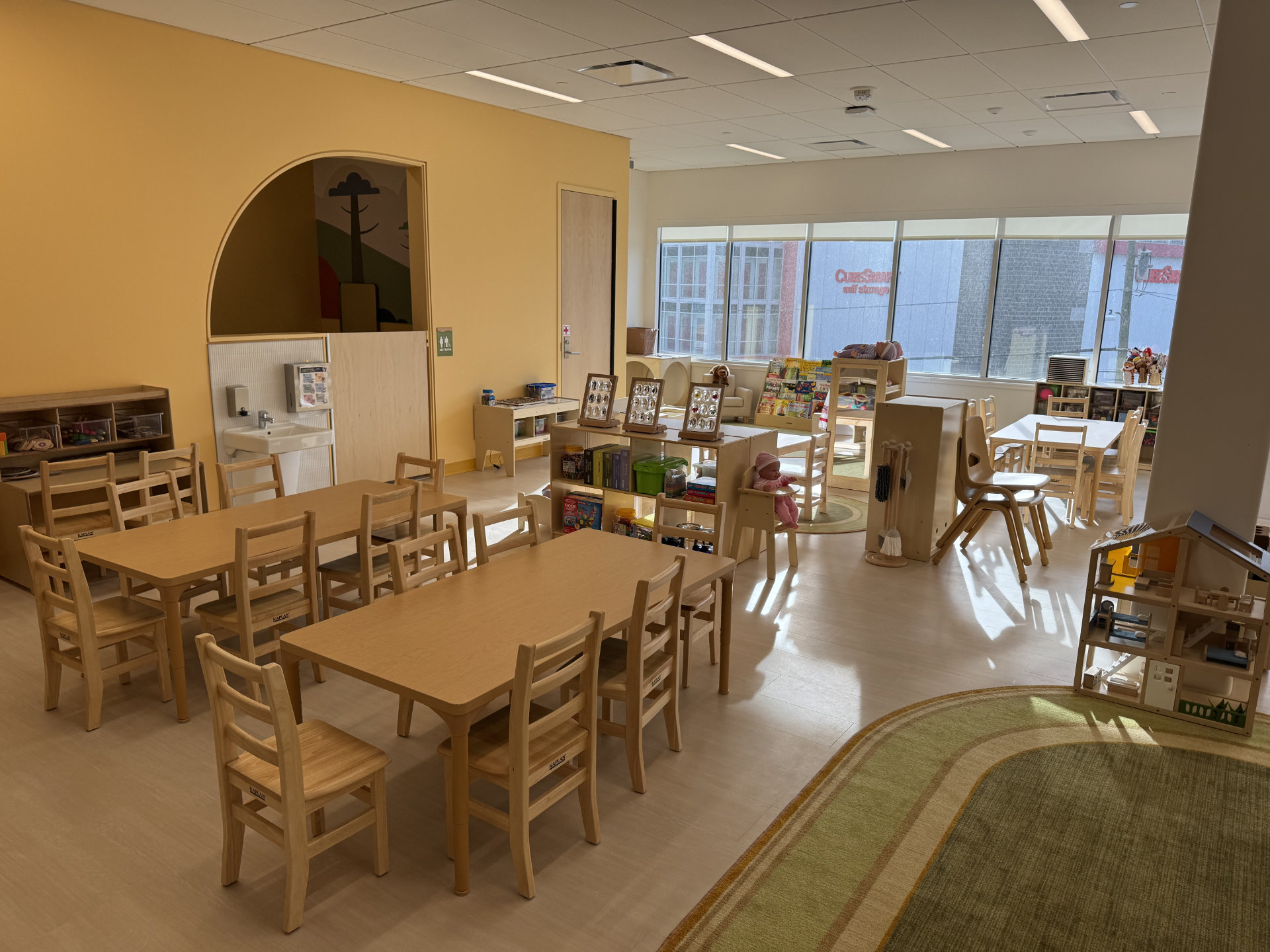
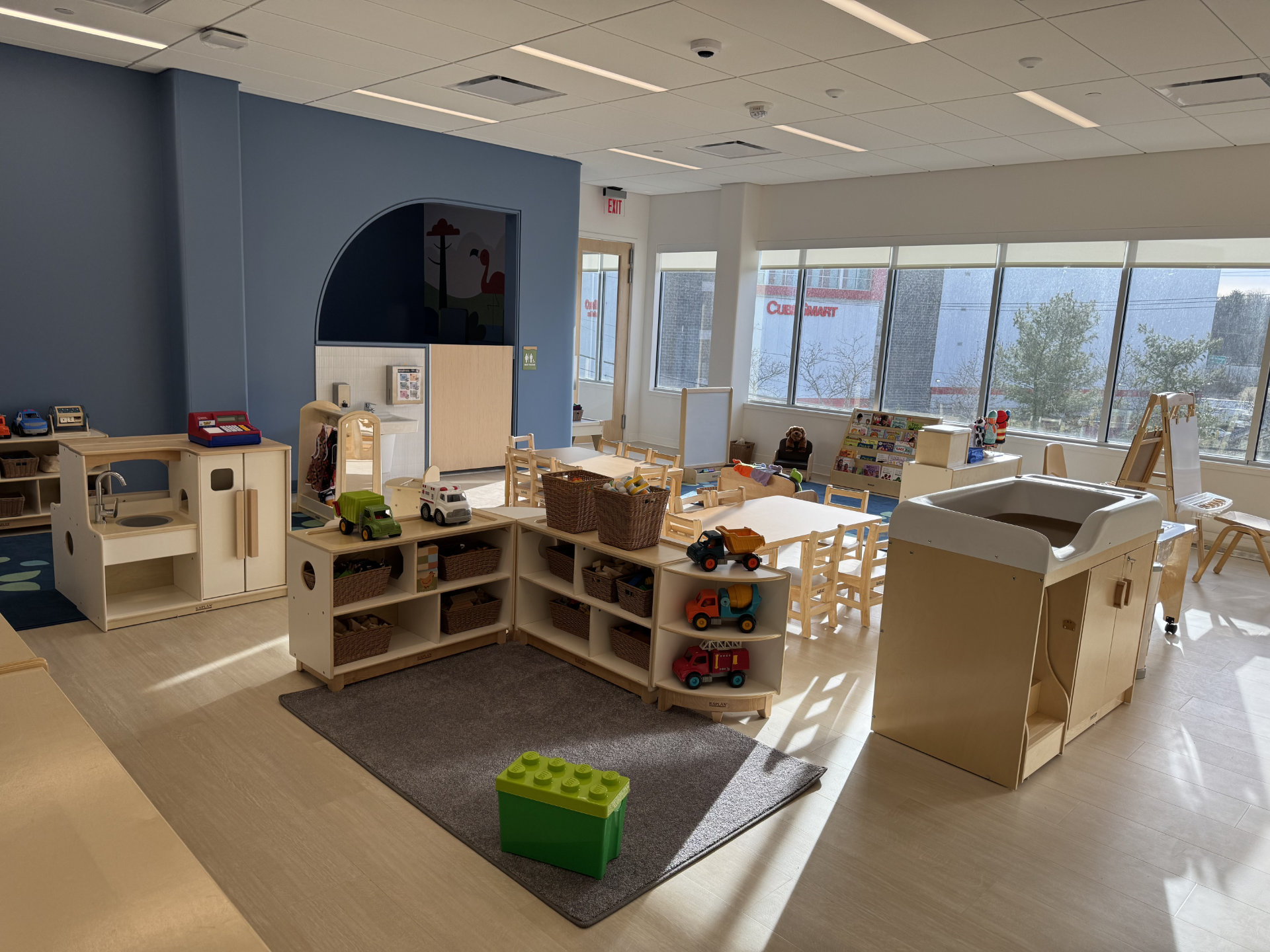
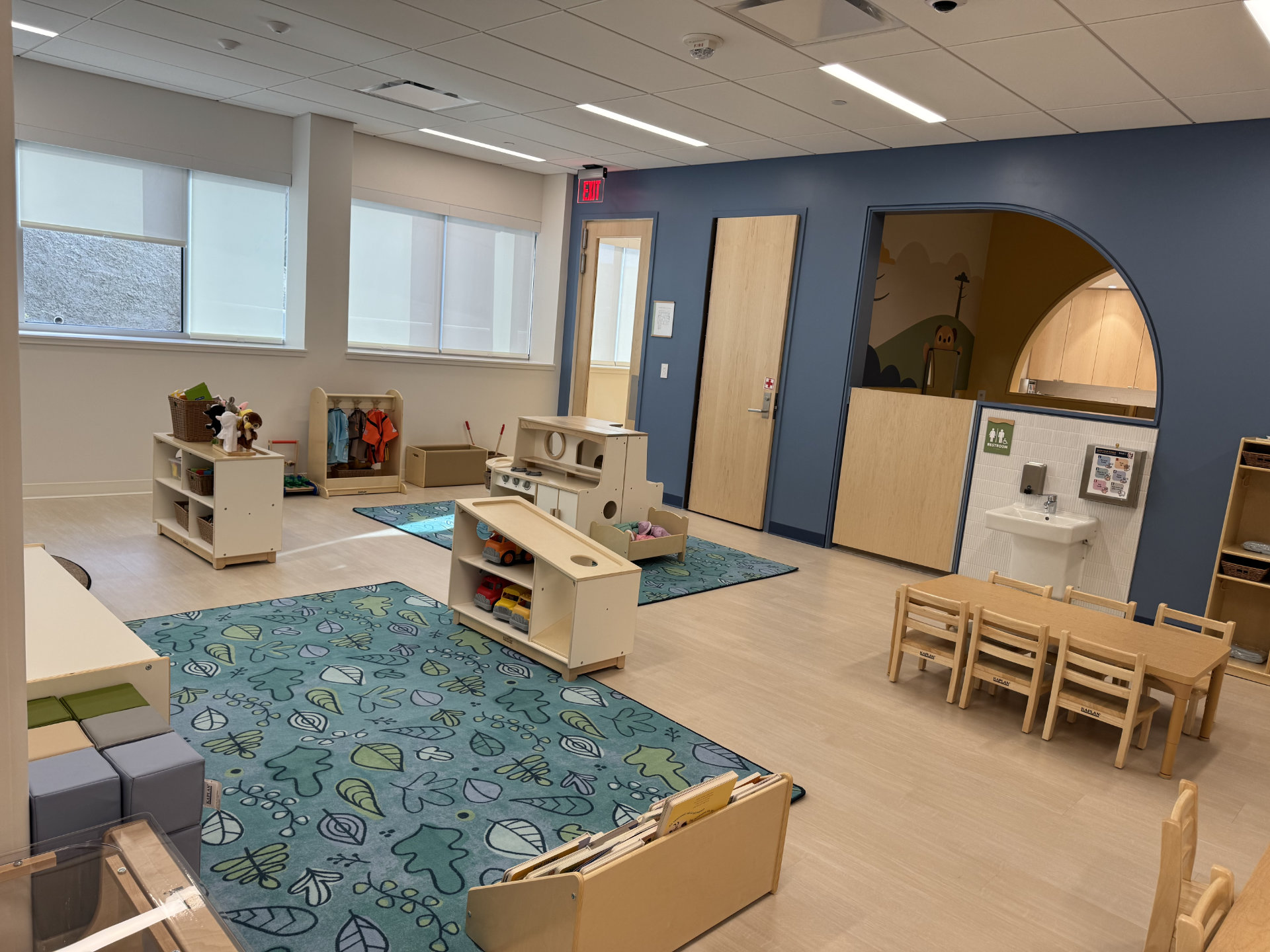
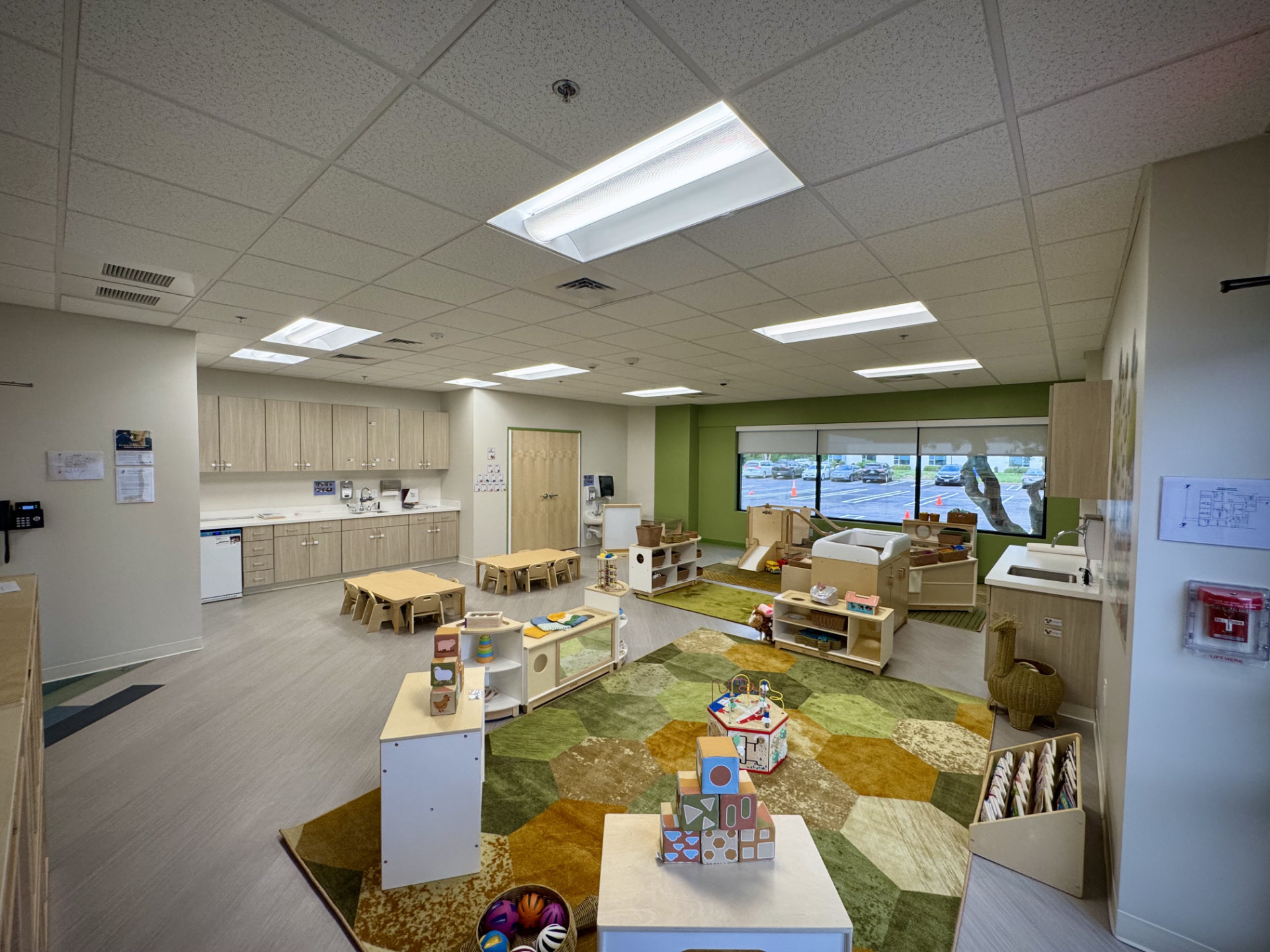
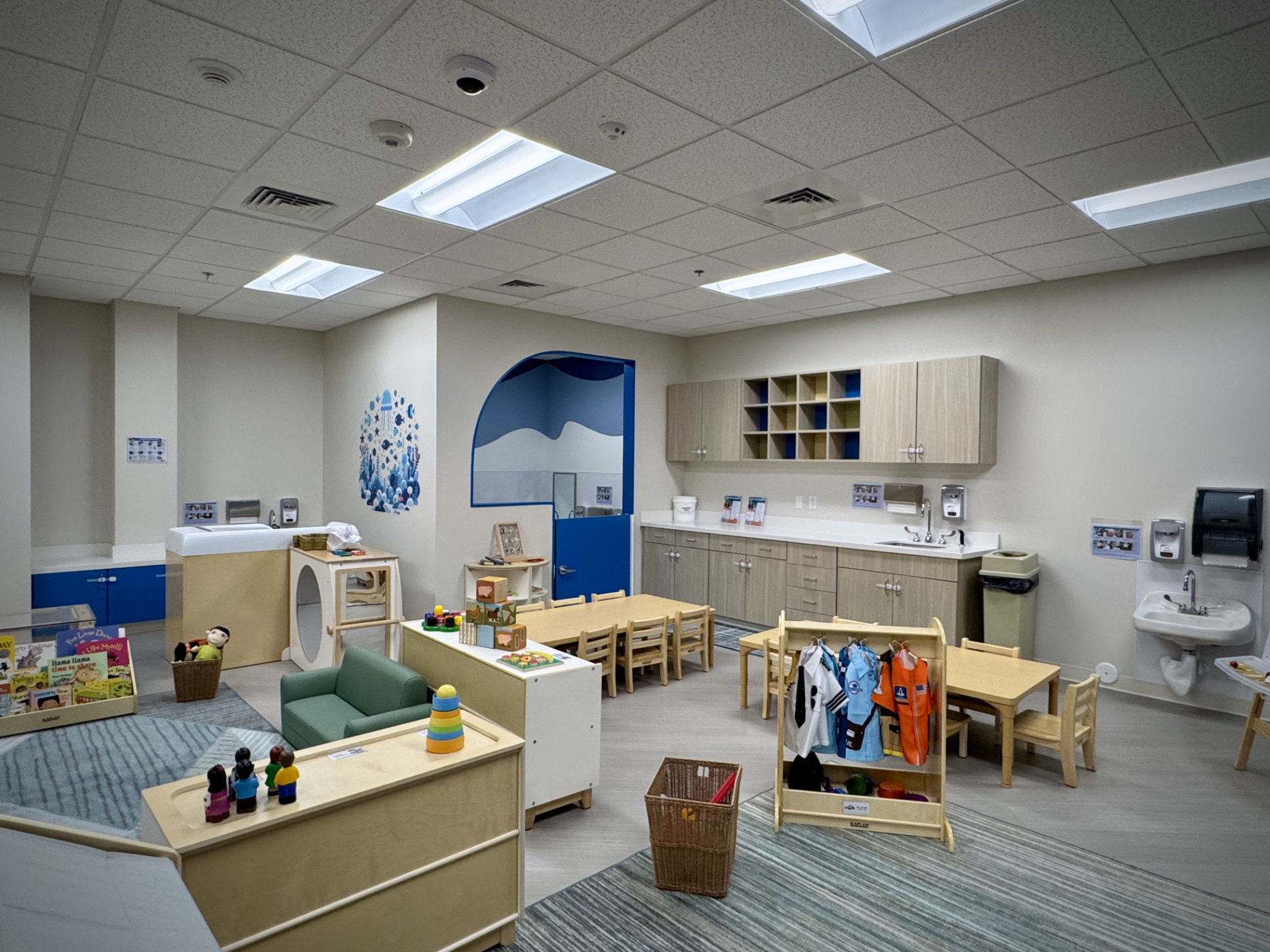
On her first day, Maya entered a brightly lit child development center filled with small tables, colorful books, and the joyful hum of children discovering the world. But the fellowship quickly proved to be more than classroom exposure. It was a structured, immersive experience that combined hands-on teaching, mentorship, coursework, and leadership development.
Each week, Maya worked side-by-side with a lead teacher who guided her through the complexities of child development, how to recognize emerging language skills, how to support emotional regulation, and how to design learning experiences that spark curiosity. In the afternoons, she experienced and explored topics with her cohort like equity in early childhood education, trauma-informed teaching, and family engagement. These experiences didn’t just build knowledge — they challenged assumptions and inspired purpose.
Midway through the fellowship, Maya began to see the impact of her growth. She noticed how a child who once struggled to communicate now eagerly shared stories, or how a small adjustment in her teaching approach created a more inclusive environment for a child with sensory needs. These were not just successes; they were life-changing moments.
Equally powerful was the community. The fellowship created a network of passionate peers who shared ideas, challenges, and encouragement. Through collaborative projects and reflective discussions, Maya developed both confidence and a sense of belonging in the profession.
By the end of the program, Maya had not only developed and refined her teaching practice but also discovered her voice as an advocate for early childhood education. She left the fellowship ready to contribute to systemic improvements in the field.
You’re Leaving ASYMCA Now
You are about to be taken to the militarychild care.com site to start the enrollment process.
Thank you for supporting deployed service members and their families
SUCCESS!
Your entry has been submitted.
You are all set! Please remember that only one entry per person is eligible. Additional entries will be disqualified as indicated in the sweepstakes rules.
SUCCESS!
We appreciate you taking the time to connect with us.
Your request has been submitted and you are all set! If you have indicated you want us to contact you, a staff member will be in touch with you within the next few days.